New-Build Floor Waste Odour at Handover
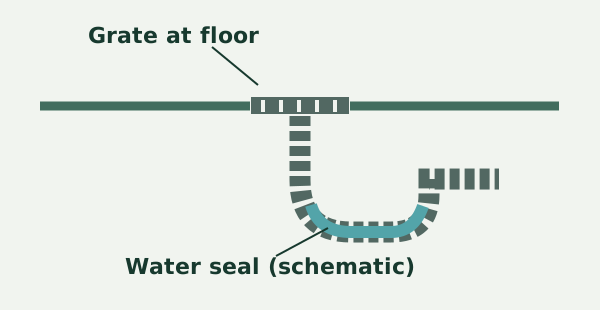
You are walking through a new home before handover. The bathroom looks finished, the tiles are clean and there is no puddle, but a drain-like smell keeps returning near the floor grate. Should that go on the builder’s list or will it disappear when the room is used? A neat floor grate tells you little about how the water seal below it is maintained. Record the room, the timing and what was actually observed. Then ask who will identify the fitting and check its operation. That is more useful than guessing from the smell or closing the item after a single brief visit.
Locate the concern before naming the cause
Stand in the doorway and note where the odour first becomes obvious. Identify which room it is in and which openings are nearby. A shower outlet, a floor grate outside the enclosure and a basin outlet may be close together. They are different locations to describe in a report. If you are handed a marked-up plan, check the room name against what you are seeing. In a home with two upstairs bathrooms, “floor waste near the door in the back ensuite” is clearer than “upstairs drain”. Take a photo that includes the grate and recognisable room features as well as a close-up if needed.
Note when the odour was present and whether any fixture use was observed beforehand. Record when someone else noticed it if that is known, including whether they were in the same room. Temporary construction odours, cleaning products and waste fittings can complicate a short visit. Smell by itself does not show the route behind finishes or the point where it enters a space. Use factual wording such as “drain-like odour noticed near the ensuite floor grate during the handover walk-through”. The inspection report examples show how a finding can separate the observed concern and the next step.
Understand what the grate leaves out
The grate is the visible top of a fitting. Its appearance does not establish how an individual installation is connected. The Building and Plumbing Commission’s practice note on floor waste gullies explains their function in a sanitary plumbing system. Ask the builder to arrange for the plumber to identify the fitting and its connections on this project. The name used on a sales plan may be shorthand. The visible slots, finish and size do not show the hidden arrangement. Even a clear photograph taken from above may only identify the cover and nearby finishes.
Yarra Valley Water explains that the water retained in a trap forms a barrier to smells from further down the pipe. If an installation uses a water seal, the licensed plumber can explain whether the seal was present and how it is intended to be maintained. The former Victorian Building Authority’s common plumbing enquiries provide context on maintaining a seal in a floor waste gully. That guidance does not settle whether the grate you can see is a floor waste gully or how the project’s approved solution applies. Use it to help frame the question for the trade.
Separate the odour from water on the floor
A drain-like smell and water that does not run towards a waste are different symptoms. Both can be documented if observed. An odour can be present when the floor is dry, while a puddle can exist without a smell. A complaint about the surface finish may involve the gradient of the shower floor or the position of an outlet. If water escapes across a screen, the screen leakage guide addresses a different part of the assessment. Keep the questions separate when asking the builder what each trade will investigate.
A building inspection at practical completion or handover can record visible items within the agreed scope. A look at the grate and surrounding finish will not disclose every connection below the tiles. Records from before the work was covered may give a useful view of an earlier installation stage when the position is identifiable. If the question instead concerns the membrane, the waterproofing-stage inspection guide explains why inspection timing matters. A visit after tiling cannot recreate access to the layer beneath the finish.
Ask the plumber to identify what needs checking
A property that has sat unused may present different questions from a bathroom that has been used daily. An odour that briefly improves after the plumber attends may need follow-up if it later returns. Give the builder both observations and ask the plumber to record what they checked. Where the fitting relies on a water seal, ask what keeps that seal operating in normal use. If several fixtures are affected, record the combination and let the plumber decide the next step. Other sources may need checking if there is no consistent link to the floor grate.
The builder can also support the trade by supplying room layouts, the fixture schedule and relevant plumbing records. Ask for the name of the fitting and an explanation of which check relates to the original concern. Avoid removing covers, blocking openings, pouring chemicals into an unfamiliar fitting or asking the inspector to change pipework. If sewage is appearing in the room, inform the builder or relevant service promptly and keep clear of the affected area. A routine handover list should not be used to put off an active spill. The purpose of a report is to pass on the issue accurately, with the right people assigned to handle it.
Agree what will count as closed
It is common for several handover items to be logged at once. Keep the odour under its own entry so it cannot be confused with replacement of a loose grate or resealing a shower screen. Ask for the inspection date, the person who attended, the item checked and whether further action is needed. If the plumber finds that a normal maintenance step is needed, ask for written advice suitable for the owner and check whether the instructions cover that fitting. If there is another cause, ask what evidence shows it has been dealt with. Written records can be useful for later discussion even if the odour is absent at the final visit.
If a builder says the issue has been fixed but the only record is an image of a new cover, ask how the work relates to the initial concern. A cover can be changed without establishing what is happening underneath. Alternatively, if the report only ever described a loose cover and the smell was raised separately, a photo may be perfectly suitable for closing the cover item. Keep an item’s close-out tied to its original observation. The post-handover maintenance inspection guide explains how to raise a concern that first appears or recurs after moving in.
An illustrative handover example
Imagine two bathrooms in an otherwise finished house. One is actively used by a site cleaner and the other has been closed most of the week. You notice an odour in the second room near a grate outside the shower. There is no visible backing-up water and the grate sits neatly in the tiled surface. The builder proposes changing the cover because it looks different from the schedule. It is reasonable to identify the cover mismatch separately and to record the smell as a distinct concern. A matching cover alone would not explain it.
The builder asks the plumber to attend. The plumber identifies the fitting, records whether the water seal is present and explains what would normally maintain it during occupancy. If there is a continuing concern, the plumber can decide which further checks are warranted and whether to look at fittings elsewhere in the room. You can then ask for those findings in writing and arrange an appropriate recheck if the symptom returns. This scenario shows how a room-specific observation gives the builder something to investigate even when the handover visit itself cannot establish the cause. The practical completion guide gives extra context on documenting open items near handover.
Prepare the inspection enquiry
Send ClearScope the property address, handover date, room location and what you noticed. Say how often it occurs, whether anyone has already checked it, and whether you have plumbing records or pre-tiling photos. Tell us whether the concern is about odour, visible moisture or both. An inspection can help document what is visible and support a builder discussion. A licensed plumber is the right person to determine the hidden arrangement, test its operation and perform any plumbing work. If the issue is intermittent, use the dates you have instead of promising it will be present on the day. As part of booking, ask what the inspection covers and how the concern would be reported if no obvious explanation is visible.
Make the recheck comparable
Before organising a return visit, ask for a short chronology of previous attendance. Was the bathroom left closed for a period before the concern was reported? Had any fixtures recently been used? Was the issue initially described in another room? Those details can help the attending trade understand why two visits might produce different observations. Record the circumstances and outcome of each visit. If an owner or inspector cannot be present for the plumber’s attendance, ask for a written note that identifies the property, room and fitting checked.
If the room can be inspected on a later day, use the earlier photographs and location notes to make sure everybody is looking at the same fitting. Check whether there are any crossed-out items, changed labels or variations on the handover list. An odour issue should still be recognisable as the same item even if the name of the fitting changes after the plumber identifies it. If the smell is absent at recheck, record that and ask whether the plumber’s advice includes any action if it returns. A recheck gives you another dated observation. The trade’s findings explain what was done to investigate it and what may still need follow-up.
If it is unclear who is responsible for arranging a check after you move in, ask the builder to identify the appropriate service contact and how they want to receive the dated record. That avoids having separate messages about the same room that cannot be matched back to the handover entry.
References
Ask ClearScope about your inspection
Send the address, build stage and handover date and room affected.
Request an inspection