What Does ‘Practical Completion’ Actually Mean in a New Home Build?

Updated: Apr 14
Building a new home is a long process. There are site cuts, slabs, frames, brickwork, roofing, plastering, waterproofing, tiling and finishes. For many homeowners, the phrase that signals the end of that journey is “Practical Completion.”
But what does it actually mean?
Understanding practical completion properly can help you avoid confusion, unrealistic expectations and unnecessary stress right at the end of your build.
What Does ‘Practical Completion’ Actually Mean in a New Home Build?
Under most Victorian domestic building contracts, practical completion is the point where the builder considers the home complete enough for its intended purpose, meaning it is ready to be lived in.
While practical completion marks a key milestone, understanding how earlier stages contribute to this point is equally important. Our guide on New Build Stage Inspections in Lara VIC explains how each inspection stage builds toward a smoother handover process.
This does not mean:
The home is flawless
Every minor cosmetic detail is perfect
There are no minor defects
Instead, it generally means:
The home is structurally complete
Services are connected and operational
Fixtures and fittings are installed
The property is safe and habitable
Only minor defects or incomplete items remain
In simple terms, the house should be capable of being occupied, even if there are small touch-ups still required.
Many concerns raised at PCI relate to tolerance allowances, which are explained in our article What Does “Within Tolerance” Actually Mean in a New Home Inspection?.
When people search for What Does ‘Practical Completion’ Actually Mean in a New Home Build?, they’re often surprised to learn that “complete” in construction doesn’t mean “perfect.”
It’s also worth understanding what to do if you don’t agree with how items are handled at this stage, you can read more about how homeowners typically navigate that situation in our guide on what happens if you disagree with your builder’s defect response.
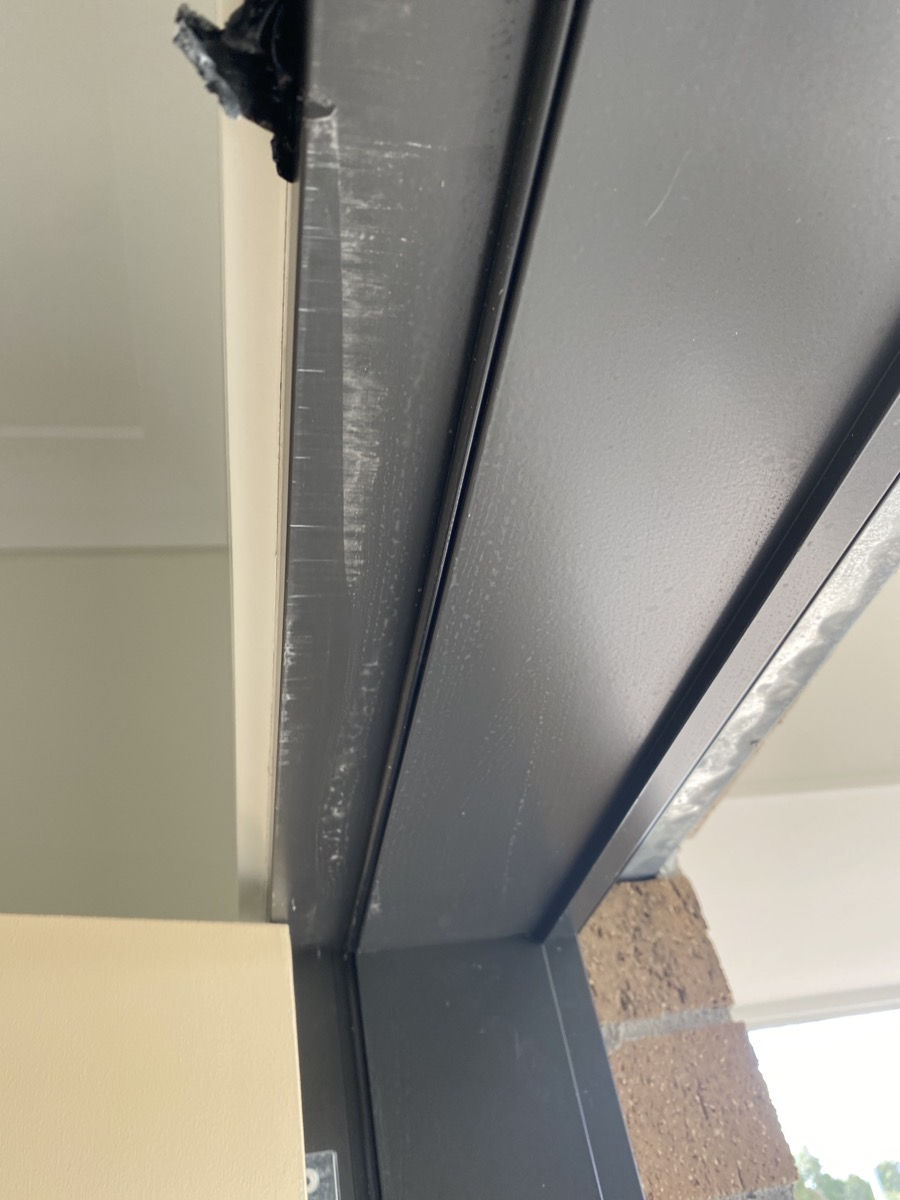
How Practical Completion Is Defined in Victorian Building Contracts
In Victoria, domestic building contracts typically define practical completion along the lines of:
The stage when the building works are completed in accordance with the contract, except for minor defects or omissions, and the building is reasonably fit for occupation.
The key phrase is “minor defects or omissions.”
These might include:
Small paint touch-ups
Minor plaster imperfections
Silicone finishing adjustments
Sticking internal doors
Cosmetic tile grout clean-up
Minor external render patching
They should not include:
Missing waterproofing
Major structural defects
Incomplete roofing
Unconnected plumbing or electrical systems
So when your builder issues a Notice of Practical Completion, they are stating that the home meets the contractual threshold for handover, subject to minor outstanding items.
Doors that appear functional at first glance can still present subtle issues once the home is fully enclosed. One example is movement or vibration after closing, which is explained in Why Doors Rattle at Handover in New Homes and What It Means, including how latch engagement and alignment affect performance.
Builder Practical Completion vs Independent Inspection
This is where confusion often occurs. There are two separate perspectives:
Builder Practical Completion
The builder determines the home has reached practical completion under the contract and invites you to attend a pre-handover inspection.
Independent Pre-Handover Inspection
An independent inspection assesses whether the home meets acceptable construction standards and identifies defects before final payment.
These are not the same thing.
A builder may believe the home has reached practical completion. An independent inspector may identify items that still require attention before handover. This is why many homeowners at this stage book a Pre-Handover / PCI / Handover Inspection
If you’re unsure how inspection timing fits into your build program, you can read more about When Is the Right Time to Book Each Stage Inspection? which explains the sequencing clearly.
Practical completion inspections form part of the wider staged inspection process. Our guide New Build Stage Inspections in Charlemont, Victoria explains how inspections during earlier construction stages help homeowners better understand the build before the final PCI inspection occurs.

What Happens at PCI (Pre-Completion Inspection)?
PCI (Pre-Completion Inspection) is typically conducted shortly after the builder declares practical completion and before settlement or final payment.
During a PCI, inspectors typically review:
Wall alignment and plaster finish
Cornice joints and ceiling lines
Tile installation and grout consistency
Waterproofing outcomes (where visible)
Cabinetry alignment, fixing and finishes including unsealed melamine cut outs
Door operation and hardware
Window condition and glazing
Silicone and sealant quality
External drainage falls
Brickwork finish and mortar joints
Many of these elements relate to earlier construction stages. For example:
Issues originating at frame stage are often explained in What Happens After Frame Stage and Before Lock-Up?
Glazing damage can be influenced by site protection timing, discussed in How Long Should Window Protection Stay On During Construction?
PCI is about documenting what exists at that moment, not creating conflict. Before practical completion, the pre-plaster inspection focuses on internal structure and services prior to lining — see Pre-Plaster Inspection in Melbourne — What’s Checked Before Plasterboard Goes On for specifics.
At this stage, inspectors will often identify finishing-related items, including gaps around window frames that may impact presentation or sealing. These types of issues are explored in more detail in Gaps Around Window Frames In New Homes – What Melbourne Building Inspectors Look For, including when they are considered defects.
Why Minor Defects Are So Common at Practical Completion
By the time you reach practical completion:
Dozens of trades have been through the home
Materials have been installed over several months
Weather may have affected construction
Access constraints may have limited finishing precision
It is completely normal for minor cosmetic defects to be present.
Common practical completion findings include:
Small paint scuffs
Light scratches on glazing
Uneven silicone lines
Minor door adjustments
Tile lippage within tolerances
These do not necessarily indicate poor workmanship. They often reflect the volume of activity that occurs in the final weeks of construction.
Understanding What Does ‘Practical Completion’ Actually Mean in a New Home Build? helps homeowners approach PCI realistically rather than emotionally.
At the practical completion stage, many remaining items relate to finishing quality rather than structural work. Inspectors often identify small workmanship issues such as architrave gaps or poorly aligned door frames. Our article Gaps Around Door Frames in New Homes — Are They a Defect? explains why these installation issues occur and when they should be addressed before handover.

What Homeowners Should Realistically Expect
At practical completion, you should expect:
✔ A habitable home
✔ All major systems working
✔ Kitchen and bathrooms fully installed
✔ External works substantially complete
You should not expect:
✘ Absolute cosmetic perfection
✘ Zero minor adjustments required
✘ Every surface to be flawless under strong lighting
New homes are assessed against the Victorian Guide to Standards & Tolerances, not against showroom display standards.
If you have not completed earlier inspections such as a Slab Stage Inspection or Fix Stage Inspection, practical completion becomes even more important as it is the final structured opportunity before handover.
How Practical Completion Relates to Final Payment
Most contracts require final payment once:
Practical completion has been reached
The PCI process is completed
Keys are ready to be handed over
This is why independent inspections at this stage can be valuable. After final payment, leverage reduces. That does not mean defects cannot be addressed, but timing does matter.
Post-Handover Maintenance Inspection vs PCI
One area homeowners often overlook is what happens after handover. A Post-Handover Maintenance Inspection is different from PCI.
PCI
Conducted before final payment. Focuses on completion quality at the time of handover.
Post-Handover Maintenance Inspection (6–12 Months Later)
Conducted after the home has been lived in. Focuses on movement, settlement and emerging issues.
Why is this important? Because some issues simply do not exist at practical completion.
In the first 6–12 months:
Slabs settle
Timber framing dries and adjusts
Seasonal moisture changes affect movement
Silicone may shrink
Minor cracking can appear
These are normal building behaviours.
A Post-Handover Maintenance Inspection documents:
Settlement cracking
Cornice separation
Door misalignment from movement
Waterproofing performance concerns
External drainage behaviour
Many homeowners book this inspection before their maintenance liability period expires under their contract.
Understanding the difference between PCI and a Post-Handover Maintenance Inspection ensures you manage the full lifecycle of your build, not just the day you receive the keys.

Is Practical Completion the End of the Building Journey?
Contractually, yes - it marks the completion of the builder’s primary construction obligation. Realistically, no - it marks the transition from construction to occupation.
Your home will continue to:
Move slightly
Adjust to seasons
Experience minor cosmetic changes
That does not mean something is wrong. It means the building is behaving like a building.
Practical completion represents only one component of the overall inspection timeline. For a detailed explanation of why earlier structural and preparation stages are equally important, see Why Melbourne Independent Inspections Are Carried Out at Multiple Stages of a New Build.
When homeowners ask, What Does ‘Practical Completion’ Actually Mean in a New Home Build?, the most helpful answer is this: It means the home is complete enough to live in, but still part of a natural building lifecycle.
Final Thoughts
Practical completion is not a marketing term. It is a contractual milestone.
It signals:
Construction substantially complete
Minor defects permitted
PCI ready to occur
Final payment approaching
It does not mean:
Zero defects
Zero movement
Zero adjustments required
By understanding:
The contract definition
The difference between builder declaration and independent inspection
What PCI actually involves
Why minor defects are normal
How a Post-Handover Maintenance Inspection fits into the process
If questions arise about how defects are assessed or responded to during this period, you may find it helpful to read our guide on what happens if you disagree with your builder’s defect response, which explains the usual pathways calmly and practically.
You can approach the final stage of your build calmly, confidently and realistically. Building a home is a process measured in stages, not a single moment of perfection.


Comments