How Long Should Window Protection Stay On During Construction?

Updated: Feb 27
Why window protection exists in the first place
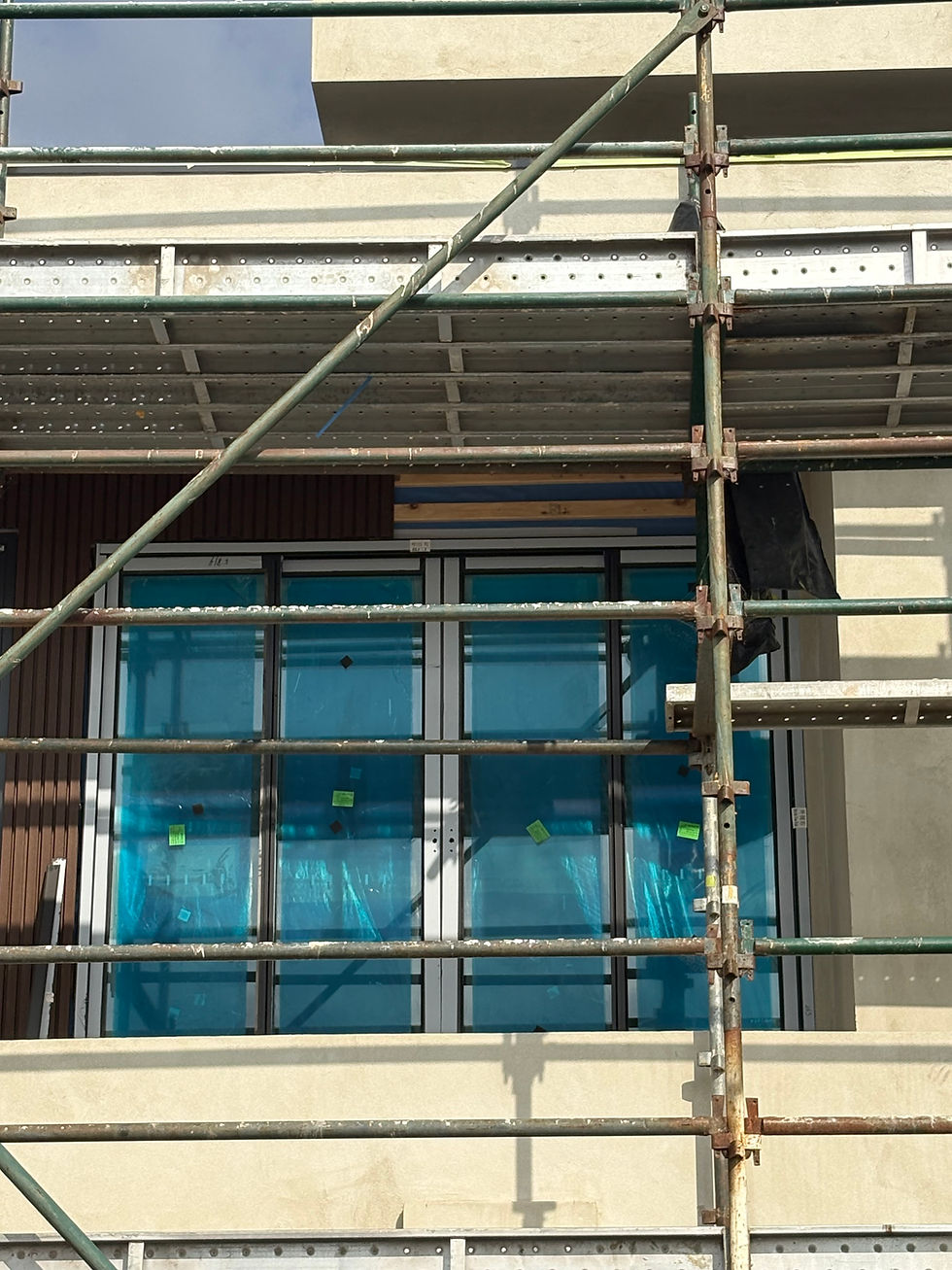
If you visit your build and notice the windows still covered in plastic film, cardboard sheets, or taped-on protection months after installation, it’s completely normal to wonder whether something has been forgotten. This article addresses a common homeowner anxiety of How Long Should Window Protection Stay On During Construction?
In most Victorian residential builds, window protection is deliberately left in place for a long portion of construction. The coverings are there to reduce the risk of accidental damage while multiple trades continue working around the house.
Windows are one of the easiest items to damage during construction and one of the hardest to repair properly once scratched. Unlike plaster or paint, glazing damage usually means the glass panel needs replacement rather than patching or the aluminium frame needs extensive rework.
Because of this, builders generally prefer to keep protection on as long as practical.
What the protective film or cardboard coverings are actually for
Different builders use different protection methods, but the purpose is always the same, to protect both the glass and the window frames from common construction risks.
Typical protection may include:
factory-applied plastic film on the glass
taped cardboard sheets over windows
temporary plastic wrap over frames
protective corner guards or edge tape
These coverings help prevent:
scratches from tools or ladders
plaster splashes during internal works
render splatter on external glazing
paint overspray during finishing
abrasive cleaning damage
Even simple site dust can scratch glazing if wiped incorrectly, which is why windows are often kept covered until most messy work is complete.

What happens after window installation
Windows are usually installed relatively early in the construction process, often before internal plastering begins and sometimes before full external finishing. Once installed, they immediately become exposed to ongoing trade activity.
At this stage, protection becomes important because the building is still effectively a construction zone:
plasterboard sheets are carried through openings
ladders lean against walls near windows
tools are moved through rooms
external render or cladding may still be pending
Without protection, glazing could easily be marked long before the home reaches completion.
Window protection during plaster stage
The plaster stage is one of the messiest internal construction phases.
During plaster installation:
plaster dust spreads throughout the house
joint compound and sanding debris travel everywhere
tools may bump frames while sheets are installed
trades often work very close to window openings
Plaster residue on glass is a major cause of scratching if it later gets wiped off incorrectly. This is one of the key reasons window protection almost always stays on throughout the plaster stage. Removing it earlier would create unnecessary risk.
Inspectors will usually conduct a general check of window condition in the pre-plaster or lock up inspection, to document any damages and provide a timeline of inspection times.
Window protection during fixing stage
The fixing stage includes installation of:
doors and skirting
cabinetry and wardrobes
internal trims
shelving
hardware and fixtures
At this point, there is still significant movement of tools and materials inside the home.
Trades may:
rest materials near windows
move power tools through rooms
install trims around window reveals
climb near window openings
Because the risk of accidental knocks or contact remains high, window coverings typically stay in place throughout this stage as well. At the fixing stage inspection, the inspector will thoroughly review all windows and frames, as by this stage the window coverings tend to slow come off through lack of care, overuse or age.
Window protection during painting
Painting is another major reason builders keep windows covered.
During painting works:
spray equipment may be used
rollers can flick paint onto glass
masking tape may be applied to frames
sanding between coats produces fine dust
Paint overspray on glazing can be difficult to remove without scratching the surface. Frames are also vulnerable to damage if protective film is removed too early and painters need to re-mask everything manually meaning keeping protection on makes the trades job easier, and reduces the chance of finishing defects appearing later.
How long should window protection stay on for during construction?
In most builds, window protection is only removed close to the final completion period.
Typically this happens:
after most messy internal works are finished
after painting is complete
before final builder clean
shortly before practical completion or handover
At this stage, the level of site activity drops significantly and the risk of damage reduces. Removing protection earlier would increase the chance of needing costly glass replacement late in the build.
The good new is, if you’re visiting your home and the windows are still covered late into construction, this is usually intentional rather than an oversight.

The role of the final clean
During the final clean:
protective films are removed
cardboard coverings come off
glazing is cleaned
frames are wiped down
This is when the true condition of the windows becomes visible for the first time. It’s also why some homeowners only notice glazing issues right near handover. If scratches are discovered at this stage, they often require formal assessment to determine whether they meet acceptable standards.
If you want to understand how scratched or marked glass is normally assessed on a construction site, you can read more in our article here.
Why protection sometimes stays on until very late
From a homeowner perspective, it can feel odd that something installed early in the build remains covered almost until the end. From a construction risk perspective, it makes sense.
Glass replacement late in the build can involve:
ordering new panels
removing internal trims
reinstalling glazing
delaying completion
To avoid this, builders usually leave protective coverings in place for as long as possible. It’s a preventative approach rather than a sign something is wrong.
As builds approach the end of construction and protection materials begin to be removed, many homeowners also start hearing the term “practical completion”, if you're unsure what that actually means contractually, you can read our detailed guide on What Does ‘Practical Completion’ Actually Mean in a New Home Build?
When homeowners should pay closer attention
While protection staying on is normal, the important time to look closely at windows is:
during your pre-handover inspection
during any independent staged inspection
once coverings are removed
At this point, the glazing condition can be assessed properly under normal lighting.
If you’re not sure when independent inspections usually happen during a build or what they involve, you can learn more in our article on when to book an independent stage inspection here.
So how long should window protection stay on?
In practical terms, the answer is:
Window protection usually stays on from installation until shortly before final clean or handover.
This often means:
through plaster stage
through fixing stage
through painting
removed only near completion
While every builder’s sequencing varies slightly, the general principle is the same, protection stays on while the risk of accidental damage remains high. Ideally, the builder gets through to pre-handover or PCI inspection with minimal damages and little rectification required.
The simple takeaway for homeowners
If your windows still look covered during construction, that’s usually exactly what should be happening. Protection is there to prevent scratches, paint damage, render splashes, and cleaning marks while the house is still an active worksite.
The right time to check window condition isn’t mid-build, it’s once the coverings come off near completion, when the home is ready for proper inspection.


Comments