Gaps Around Door Frames in New Homes — Are They a Defect?

Updated: Apr 27
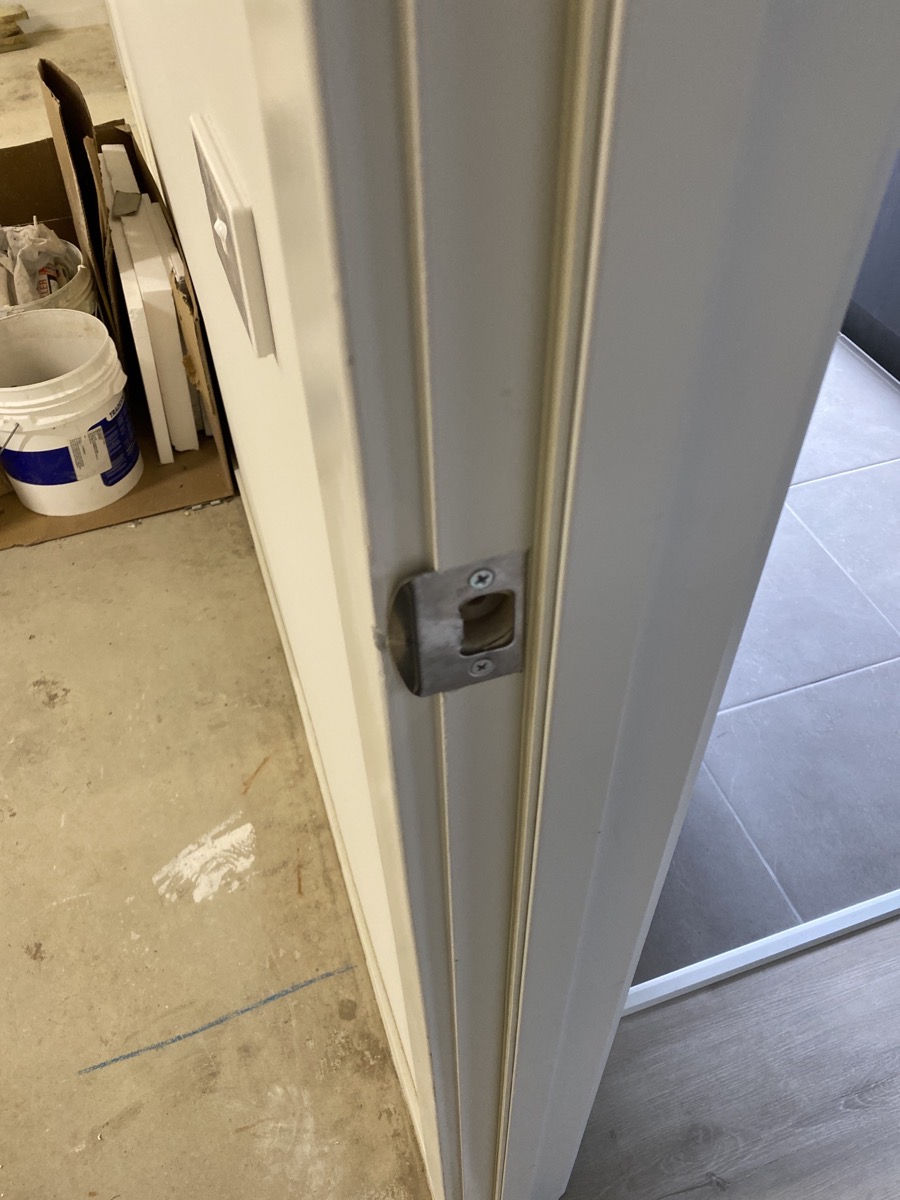
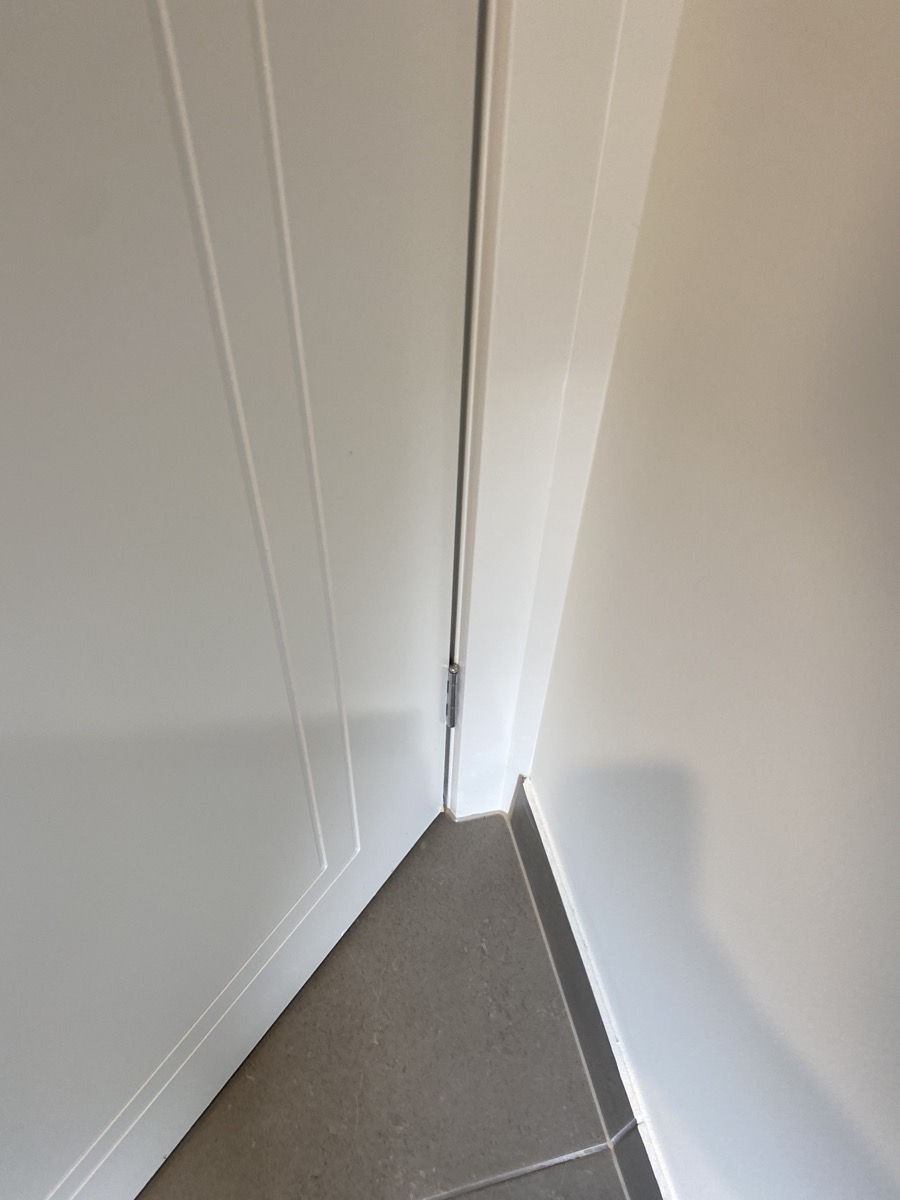
Many homeowners notice small gaps around door frames when walking through their new home for the first time. These gaps are often seen between the door jamb and plasterboard, around the architrave, or where the frame meets the wall surface.
In many cases the gap is simply a finishing issue that can be corrected during the final stages of construction. In other situations it may indicate poor installation or alignment of the door frame.
During independent new build stage inspections, gaps around door frames are a common observation, particularly during the fixing stage or at the practical completion inspection (PCI). Identifying whether the issue is cosmetic or a defect requires understanding how door frames are installed and what the acceptable tolerances are under Victorian building standards.
Homeowners often become aware of these issues when reviewing their property before handover or when booking an independent inspection such as those explained in New Build Stage Inspections in Melbourne — A Complete Guide to Every Inspection Stage.

What Causes Gaps Around Door Frames in New Homes
Several construction factors can lead to gaps forming around door frames.
Framing not perfectly square
Door frames are installed into wall framing during early stages of construction. If the framing is slightly out of square or twisted, the door jamb may not sit flush against the wall surface once plasterboard is installed.
Incorrect jamb installation
Door jambs must be installed plumb, level and correctly fixed to the wall framing. If the jamb shifts during installation, gaps can appear between the jamb and the finished wall surface.
Gaps are often the first sign something looks off, but they don’t always tell the full story. In many cases, the underlying cause is a frame that is slightly out of square. Understanding why door frames look crooked can help clarify whether what you are seeing is cosmetic or something more.
Door frame gaps are often one part of a bigger picture. When combined with other small inconsistencies, they can contribute to noticeable air movement. This broader perspective is explained in How Air Leaks Show Up in New Homes (And What Inspectors Look For).
Plasterboard alignment issues
Plasterboard sheets are installed during the pre plaster stage. If the board does not meet the door frame tightly, a visible gap can remain before architraves are installed.
Architrave installation
Architraves are designed to cover the joint between the wall and the door frame. If the architrave is installed incorrectly or cut inaccurately, small gaps may remain visible.
Wall movement or shrinkage
Timber framing can shrink slightly as it dries, particularly in new homes. This movement can occasionally create small separation gaps around joinery elements such as door frames.
Because these issues often relate to workmanship during the fixing stage, they are frequently identified during inspections such as those described in Construction Stage Inspections in Melbourne — What They Are And Why They Matter.
Are Gaps Around Door Frames Considered a Defect?
Whether a gap is considered a defect depends on its size, location and cause.
In Victoria, builders are typically assessed against the Victorian Guide to Standards and Tolerances, which outlines acceptable workmanship standards for residential construction.
Small gaps that are hidden by architraves or can be corrected with finishing materials may not always be considered structural defects. However, visible gaps, poorly fitted architraves, or misaligned frames can indicate poor workmanship.
While door frame gaps are often the first thing noticed, the surrounding finishes can be just as important. In particular, architraves around external doors can influence how these junctions perform and present. This is explained in more detail in Unsealed Architraves Around External Doors and Windows: Why It Matters in New Homes, where the focus shifts to how finishing impacts the overall result.
Examples where gaps may be considered a defect include:
visible gaps between plasterboard and door jambs
architraves that do not fully cover the joint
door frames installed out of plumb or level
uneven spacing along the door jamb
These types of issues are commonly documented alongside other finishing defects such as those discussed in Paint Defects in New Homes — What Should Be Fixed Before Handover.
If left uncorrected, these installation issues can affect both appearance and long term durability.
Finish alignment issues often appear together. Uneven skirting, bowed wall lines, and door frame gaps can all reflect how well finishes have been installed against surrounding surfaces. Why Your New Home Walls or Skirting Look Uneven and When It May Be a Defect breaks this down further.
Gaps are not limited to doors and windows. Similar issues can occur around electrical fittings, where small openings impact performance and finish quality. This is covered in more detail in Gaps Around Lights and Electrical Fittings? What It Means in a New Build.
How Inspectors Assess Door Frame Installation
During an independent building inspection, door frame installation is assessed using several visual and practical checks.
Inspectors typically assess:
whether the frame is plumb and level
whether the jamb sits flush with the wall surface
whether architraves are installed correctly
whether the door opens and closes smoothly
whether visible gaps exceed typical workmanship expectations
This process forms part of the broader inspection process outlined in When Is the Right Time to Book Each Stage Inspection for a New Build?, which explains the optimal timing for identifying construction issues.
Door frame installation issues are often identified alongside other finishing defects such as those covered in Loose or Hollow Tiles in New Homes — What They Mean During a Building Inspection.
When This Issue Is Usually Found During Construction
Gaps around door frames are usually discovered during later stages of the construction process.
At this stage inspectors check the wall framing and door frame installation before plasterboard is installed. Identifying misaligned frames early allows builders to correct the issue before finishing work begins.
Once plasterboard and internal joinery are installed, inspectors can assess how well door frames align with the finished wall surface.
At PCI, finishing defects become more visible. Small installation issues such as architrave gaps or misaligned frames are commonly documented during this stage.
Many homeowners first learn about PCI inspections through resources such as Why Melbourne Independent Inspections Are Carried Out at Multiple Stages of a New Build, which explains how staged inspections help identify workmanship issues before handover.
Why Small Installation Issues Can Indicate Bigger Workmanship Problems
Although a small gap around a door frame might seem minor, it can sometimes indicate wider workmanship issues.
For example, a poorly aligned door frame may suggest:
framing alignment problems
rushed fixing stage work
inaccurate plasterboard installation
poor finishing standards
When multiple small defects appear throughout a home, it may indicate broader construction quality concerns. These types of patterns are often identified when inspectors assess a property for common issues such as those described in Common Defects Found at Slab Stage in Melbourne.
Understanding how defects appear across different stages of construction is an important part of maintaining construction quality.
What Homeowners Should Do If They Notice Gaps Around Door Frames
If you notice gaps around door frames in your new home, there are several practical steps you can take.
Take clear photographs of the issue.
Check whether the architrave fully covers the joint.
Raise the concern with your builder or site supervisor.
Request that the issue be assessed before handover.
Consider booking an independent inspection.
Independent inspections help homeowners understand whether the issue is cosmetic or whether it requires rectification before handover.
This process is explained further in the ClearScope construction defect guides, including Uneven Shower Floor in New Homes — Is This a Defect? and Drummy Tiles in New Homes — Are They a Defect?.
Why Independent Stage Inspections Help Identify Installation Defects
Independent building inspections provide an additional layer of quality assurance during construction.
Across Melbourne growth areas such as Tarneit, Clyde North, Armstrong Creek, and Charlemont, many homeowners choose to have their homes independently inspected to ensure construction meets expected workmanship standards.
For example:
New Build Stage Inspections in Tarneit help homeowners identify defects during key stages of construction
New Build Stage Inspections in Clyde North are increasingly common due to rapid residential development in the area.
New Build Stage Inspections in Armstrong Creek help homeowners monitor construction quality in new estates
New Build Stage Inspections in Charlemont allow buyers to identify finishing defects before settlement.
Independent inspections can help identify issues early, allowing builders to rectify defects before the home is handed over.
Homeowners wanting a deeper understanding of construction defects can also explore the ClearScope guide Practical Completion Inspection Checklist - What Inspectors Look For Before Handover.
Conclusion
Gaps around door frames are a common observation in new homes and are often related to installation or finishing workmanship during the fixing stage. In many cases the issue is minor and can be corrected with finishing work. However, visible gaps, misaligned frames or poorly installed architraves may indicate workmanship defects that should be addressed before handover.
Independent stage inspections provide an opportunity to identify these issues early and ensure construction quality meets expected standards. Understanding how these defects occur helps homeowners make informed decisions and ensures small issues are addressed before they become larger problems.
FAQ
Are gaps around door frames normal in new homes?
Small gaps can occur due to installation tolerances or finishing work. However, visible gaps or poorly fitted architraves may indicate workmanship issues that should be corrected.
Should a door frame sit flush with the wall?
Yes. Door frames should generally sit flush with the wall surface so that architraves can properly cover the joint between the frame and plasterboard.
When are door frame issues usually discovered?
They are often identified during fixing stage inspections or practical completion inspections when finishing work has been completed.
Can builders fix gaps around door frames?
In most cases builders can correct the issue by adjusting the frame, reinstalling architraves or improving finishing work.
Are door frame gaps covered by building standards?
Workmanship is typically assessed against the Victorian Guide to Standards and Tolerances which outlines acceptable construction practices


Comments