Paint Defects in New Homes — What Should Be Fixed Before Handover

Updated: Mar 16
When a new home build reaches the final stages of construction, many homeowners begin noticing small cosmetic issues that were not obvious earlier in the build.
One of the most common examples is paint defects.
During a Practical Completion Inspection (PCI), inspectors often identify a range of Paint Defects in New Homes that have developed during the final stages of construction. These may include roller marks, uneven coverage, overspray, or areas where paint has been missed altogether.
Most paint defects are straightforward to correct before handover, but understanding what is considered reasonable workmanship helps homeowners approach the final inspection process with realistic expectations.
Across Melbourne growth areas such as Wyndham Vale, Werribee, Geelong, Deanside, Cobblebank, Beveridge and Wollert, paint finish questions are one of the most common topics raised during new home handover inspections.
Paintwork is usually one of the final finishing stages before the home reaches practical completion. To understand where this stage fits within the broader build process, read How a New Home Is Built in Australia — From Slab to Handover.
Why Paint Defects Are Often Noticed Right Before Handover
Painting is usually completed towards the end of the construction process after plaster installation, fixing stage works, and trim carpentry have been completed.
Paint issues are one of the most common items identified during pre-handover inspections. For a broader overview of the types of issues inspectors often document during final inspections, see Practical Completion Inspection (PCI) Defects in New Homes — What Inspectors Commonly Find Before Handover.
At this stage:
plasterboard joints have been stopped and sanded
internal doors and trims are installed
lighting is installed
final cleaning begins
Once strong lighting and natural daylight enter the home, surface imperfections can become far more visible. What may have looked acceptable under construction lighting may appear different when viewed under normal living conditions.
Because of this, Paint Defects in New Homes are most commonly documented during the PCI stage inspection, when the home is nearing completion and all finishes are visible.
For homeowners unfamiliar with the inspection process, our guide New Build Stage Inspections in Melbourne — A Complete Guide to Every Inspection Stage explains how independent inspections are arranged throughout the construction process and what inspectors review at each stage.

Common Paint Defects Inspectors See in New Homes
During new build inspections across Melbourne estates, inspectors frequently observe a range of paint finish issues. Most are cosmetic rather than structural, but they can still be documented during a PCI inspection so they can be addressed before handover.
Uneven Paint Coverage
In some areas paint may appear lighter or thinner than surrounding surfaces.
This can occur if:
the surface absorbed paint unevenly
insufficient coats were applied
patch repairs were painted differently to surrounding areas
These areas often appear as patchy or dull sections on the wall.
Roller Marks and Flashing
Roller marks can appear when paint is applied inconsistently or dries at different rates.
Flashing occurs when sections of the wall reflect light differently due to variations in paint thickness or surface preparation.
These issues often become most visible when light hits the wall at an angle.
Paint Runs or Drips
Paint drips occur when excess paint flows downward before drying.
These are normally easy to identify and are usually corrected by:
sanding the affected area
repainting the surface
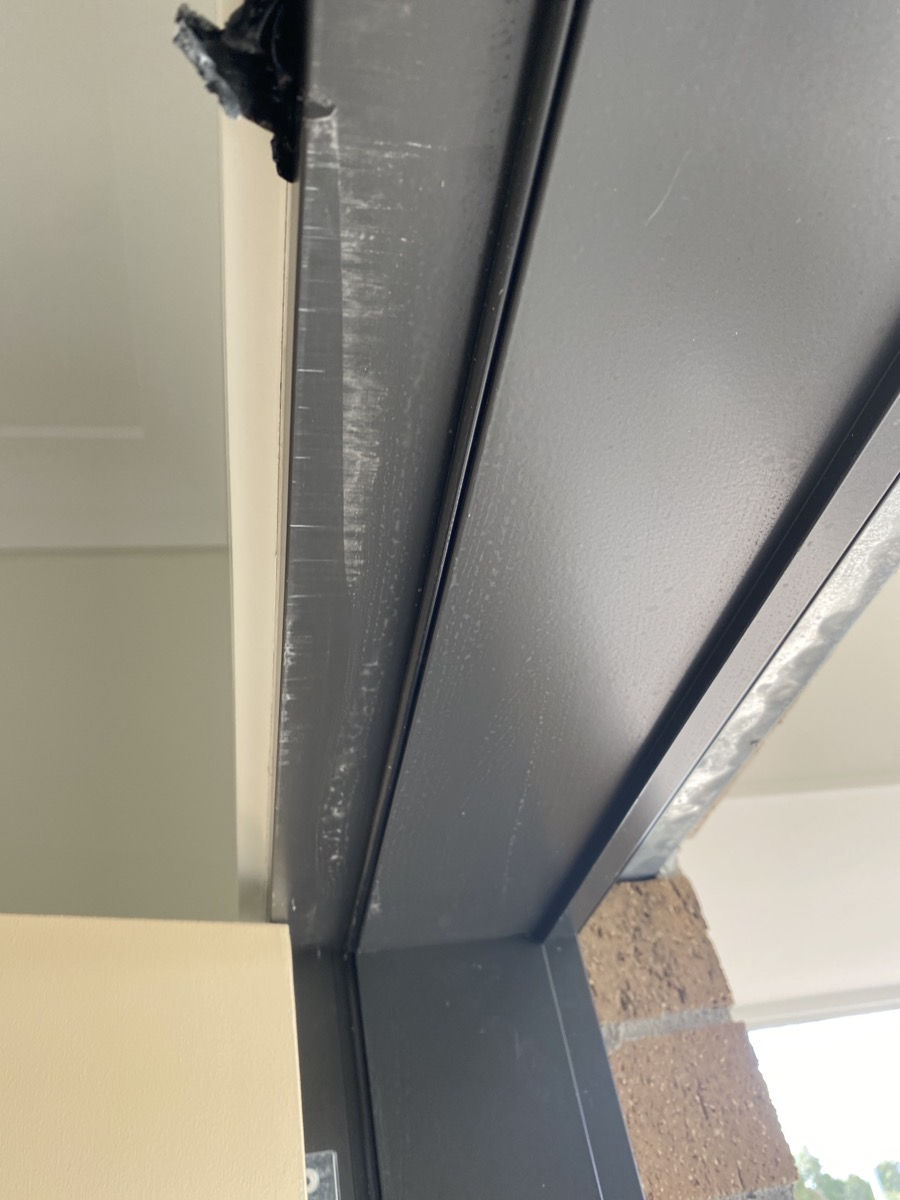
Overspray on Fixtures or Frames
During spray painting, small amounts of paint can land on nearby surfaces such as:
window frames
door hardware
light fittings
flooring
These areas are typically cleaned or repainted before handover.
Poor Cut-In Lines
Cut-in lines refer to the transition between painted surfaces such as:
walls and ceilings
trims and walls
corners and edges
Uneven cut-in lines may appear slightly wavy or inconsistent when viewed closely.
Visible Plasterboard Joint Lines
In some situations, plasterboard joints may become slightly visible through the paint finish.
This may occur when:
sanding was insufficient
surface preparation varied
lighting highlights the joint line
These issues can sometimes be improved with additional surface preparation and repainting.
Along with paintwork, inspectors also review the finish quality of tiling throughout the home. Uneven tiles can sometimes be noticeable in bathrooms, kitchens or entry areas. Our article Tile Lipping in New Homes — When Tiles Sit Uneven explains how inspectors assess tile alignment during new home inspections.
What Should Be Fixed Before Handover
Before a builder hands over a newly completed home, it is common for a defect inspection walk-through to occur.
During this process, items such as the following are often reviewed:
paint runs or drips
visible missed areas
overspray on fittings
inconsistent paint coverage
obvious workmanship issues
Builders generally expect a small number of cosmetic items to be identified during this stage, and many are corrected prior to handover.
Because painting is one of the final trades, small touch-ups are relatively common during the final stages of construction.
Paint finish quality is only one of the cosmetic items inspectors review during the final stages of construction. Surface alignment is another area homeowners often ask about. Our article Uneven Floors in New Homes — What Is Within Tolerance? explains how inspectors assess floor level variations in new builds.

What Paint Issues May Be Considered Within Tolerance
Not every cosmetic variation is considered a defect. In residential construction, certain minor variations may fall within recognised workmanship tolerances.
Examples may include:
slight brush texture in certain lighting conditions
minor sheen variation between surfaces
small marks only visible under very close inspection
Understanding these tolerances can help homeowners interpret inspection findings more clearly.
Our article What Does “Within Tolerance” Actually Mean in a New Home Inspection? explains how inspectors assess workmanship and determine whether an issue requires correction.
Why Paint Issues Sometimes Originate Earlier in the Build
Although paint defects appear during the final stage of construction, the cause often originates earlier in the build process.
Factors influencing paint finish quality include:
plasterboard installation
joint stopping and sanding
wall alignment
surface preparation
substrate movement
If the wall surface beneath the paint contains imperfections, these can sometimes become visible once the final coat is applied. This is one reason independent inspections sometimes occur earlier in construction to review workmanship before surfaces are covered.
When Paint Issues Are Usually Identified During Stage Inspections
Independent inspections may occur during several key construction stages including:
Earlier inspections focus on structural and installation observations.
The PCI inspection, however, focuses heavily on the visible finish of the home, which is why paint defects are most commonly documented during this stage.
Flooring is another finish commonly reviewed during final inspections. Some homeowners notice creaking laminate floors once the home is complete. Our guide Laminate Floorboards Squeaking or Creaking in New Homes — Is It a Defect? explains when this is normal and when it may indicate an installation issue.
During a PCI inspection, inspectors review:
surface finishes
cabinetry installation
tiling workmanship
paint quality
general presentation of the home
What Homeowners Should Look For During Their PCI Walkthrough
When attending a handover inspection or PCI walkthrough, homeowners can take a systematic approach to reviewing painted surfaces.
Helpful steps include:
Inspect walls in natural light
Natural daylight can highlight uneven paint coverage or flashing.
Check walls from different angles
Some defects only become visible when viewed along the surface rather than directly facing the wall.
Inspect ceilings carefully
Ceilings can sometimes show roller marks or uneven coverage under downlights.
Look behind doors and inside wardrobes
These areas occasionally receive less attention during painting.
Check trims and skirting boards
Paint runs or missed areas are sometimes visible on trim edges. Taking a slow and methodical approach during the inspection can help ensure cosmetic issues are documented clearly.
While paint defects are usually cosmetic, other issues identified during PCI inspections can involve hidden construction elements such as waterproofing. Our guide Waterproofing in New Homes — A Complete Guide for Homeowners explains how waterproofing is installed and why it is critical in wet areas such as bathrooms and laundries.

FAQ
Are paint defects common in new homes?
Minor paint imperfections are relatively common because painting occurs near the end of construction when multiple trades have recently worked in the home.
Should paint defects be fixed before handover?
Visible paint defects such as runs, missed areas, or uneven coverage are typically corrected before handover during the builder’s defect rectification process.
What is considered a paint defect at PCI?
Common paint defects include roller marks, paint runs, overspray on fixtures, and patchy coverage.
Can lighting make paint defects more visible?
Yes. Strong lighting, especially natural daylight or downlights, can highlight paint imperfections that were not obvious during earlier construction stages.
Do builders fix paint defects after handover?
Many builders address minor paint issues identified during the final inspection process before handover, though policies may vary depending on the builder and contract terms.
Final Thoughts — Paint Defects Are Usually Straightforward to Resolve
Paint finish issues are one of the most common cosmetic observations identified during new home inspections.
Fortunately, most paint defects are relatively easy to correct through:
sanding
repainting
touch-ups
Approaching the inspection process calmly and focusing on clear documentation usually leads to a straightforward resolution before handover. Independent PCI inspections help provide homeowners with an objective overview of the home’s finish quality so that any remaining items can be addressed before moving in.


Comments