Hebel Boundary Walls Not Properly Sealed? What It Means and When to Raise It

If you're building in areas like Tarneit, Clyde North, or Donnybrook, you've probably seen Hebel panels used along boundary walls due to tight lot spacing and fire separation requirements.
But one issue that comes up regularly during inspections is incomplete finishing or sealing of those panels.
Understanding this early is important, especially when viewed alongside guides like New Build Stage Inspections in Melbourne — A Complete Guide to Every Inspection Stage, When Is the Right Time to Book Each Stage Inspection for a New Build, and Construction Stage Inspections in Melbourne — What They Are and Why They Matter.
This article breaks down what it actually means when Hebel boundary walls are not properly sealed, when it matters, and when you should raise it.

What Does This Defect Actually Mean?
“Hebel boundary walls not finished or sealed” can refer to a range of real-world conditions, not just one issue.
Common examples include:
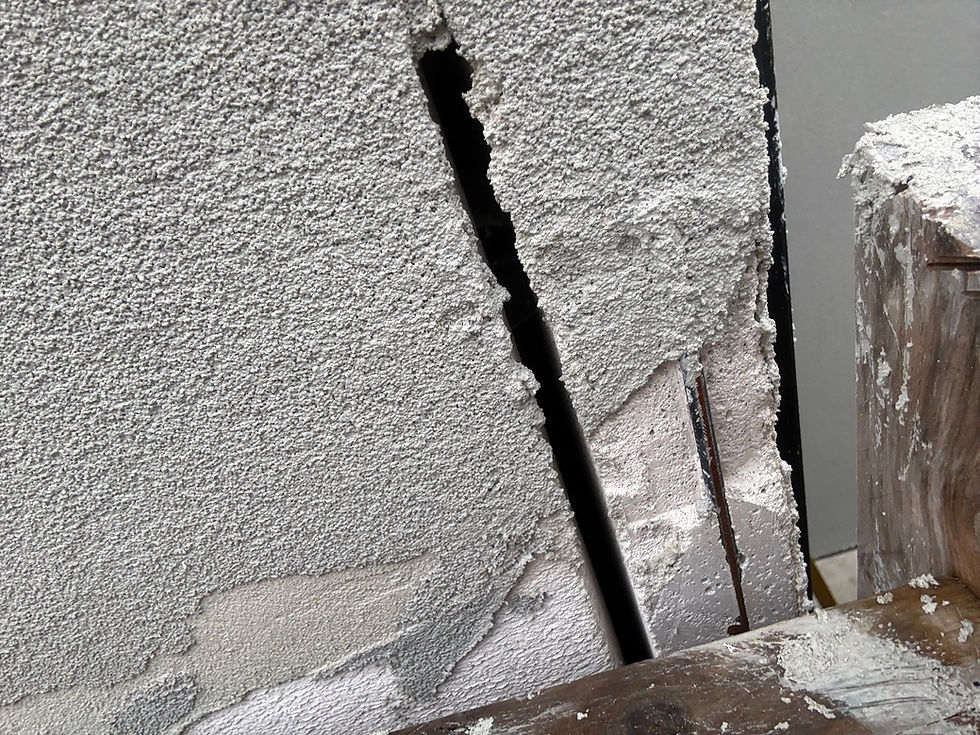
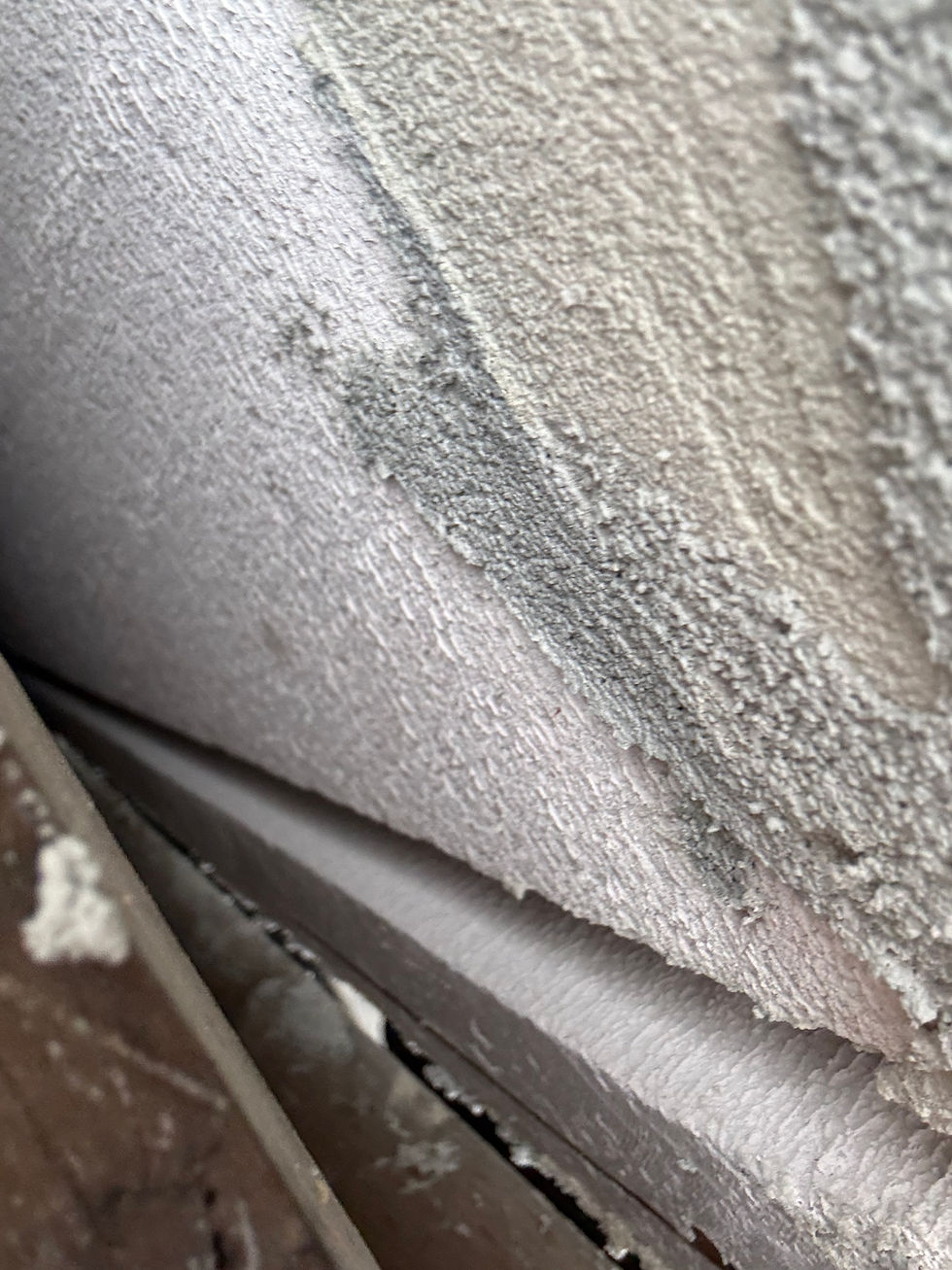
Exposed panel edges without protective coating
Incomplete or missing joint sealant
Patchy or inconsistent external coating
Unsealed penetrations (pipes, fixings, brackets)
Top edges left untreated
Poor sealing where Hebel meets other materials
It’s important to understand that not all unfinished areas are automatically defects. Some may simply be incomplete works at a given stage. That’s why inspection timing matters.
Why Boundary Walls Matter More Than Other Areas
Boundary walls behave differently to other external walls.
Because of limited access:
Finishing is often rushed or staged awkwardly
Trades may leave sections incomplete intending to return later
Visual inspection becomes harder after completion
In growth corridors like Wier Views and Armstrong Creek, tight side setbacks increase the likelihood of:
Missed coating
Incomplete sealing
Limited access for rectification
This is where linking defect understanding with inspection timing becomes critical.
Why Hebel Needs Proper Finishing and Sealing
Hebel is an aerated concrete product. It is durable, but it still relies on:
Protective coatings
Correct joint sealing
Proper detailing at interfaces
If left unfinished:
Moisture can enter through joints or exposed surfaces
Staining or surface deterioration may occur
Long-term durability may be reduced
Maintenance becomes more difficult later
For broader moisture-related context, this ties closely into Waterproofing Defects in New Homes — What Homeowners Should Understand Before Problems Appear.
Why This Issue Is Commonly Missed
This defect is often not picked up early for a few key reasons:
Boundary access is restricted
Finishing works are staged late
Some coatings are applied just before handover
It may not be obvious from inside the home
In estates across Berwick and similar areas, inspectors often see:
Partial coating completed
Sealant missing at interfaces
Top edges exposed
This is why relying only on final handover checks is risky.
When Should This Be Picked Up?
This is where Hebel Boundary Walls Not Properly Sealed? What It Means and When to Raise It becomes critical.
The ideal stages for identifying this include:
External wall systems are visible
Early identification of incomplete finishing
Allows access before final coatings
Final check to ensure works are completed
For a full breakdown of timing, refer to When Is the Right Time to Book Each Stage Inspection for a New Build.
What Inspectors Actually Look For
During inspections, the focus is not just “is it sealed or not”.
It’s:
Is the system complete for the stage?
Are joints properly treated?
Are exposed areas protected?
Are transitions between materials sealed correctly?
This approach aligns with broader inspection logic explained in Construction Stage Inspections in Melbourne — What They Are and Why They Matter.
Is It a Defect or Just Incomplete Work?
This is where context matters.
It may be:
Incomplete work if still within construction stage
A defect if left unfinished at PCI or handover
The key difference is:
Timing
Accessibility
Intent to complete
Not everything visible is a defect, but unfinished boundary elements should always be clarified.
Why Early Detection Matters
Once access is restricted:
Rectification becomes harder
Costs increase
Responsibility becomes disputed
That’s why identifying this during earlier inspections is far more effective.
This aligns with guidance in What Can and Cannot Be Seen After Walls Are Lined.
Practical Advice for Homeowners
If you notice unfinished Hebel on a boundary:
Raise it early
Take clear photos
Reference inspection stage
Ask if works are scheduled for completion
Avoid assuming it will “just be finished later”.
How This Fits Into the Bigger Picture
Hebel boundary issues are rarely isolated.
They often sit alongside:
Window flashing issues
External wall detailing gaps
Sealant inconsistencies
That’s why linking this to articles like Window Flashing Defects in New Homes and Gaps Around Window and Door Frames in New Homes strengthens understanding.
Final Thoughts
Hebel boundary walls not being sealed or finished properly is common, especially in fast-paced new build environments.
The key is not jumping to conclusions, but understanding:
What stage the build is at
What should reasonably be complete
When it should be raised
When viewed through the lens of staged inspections, issues like this become much clearer and easier to manage.
FAQs
What does it mean when Hebel panels on a boundary wall are not finished or sealed properly?
It usually means part of the Hebel system has been left incomplete, such as exposed edges, unsealed joints, missing coating, or unfinished junctions where the panels meet other materials. On a boundary wall, this matters more because access is tighter and defects can be harder to fix later.
Is unsealed Hebel on a boundary wall considered a defect in a new home?
It can be, but context matters. If the wall is still mid-construction, it may be incomplete work rather than a confirmed defect. If the Hebel boundary wall is still not sealed, coated, or properly finished at PCI or handover, it is more likely to be raised as a defect or incomplete item.
Can unfinished Hebel boundary panels cause water damage or moisture problems?
Yes, they can contribute to moisture-related issues if joints, edges, penetrations, or interfaces are left exposed. Hebel systems rely on proper finishing and sealing to help manage weather exposure and durability over time.
Why are Hebel boundary walls more likely to be left unfinished than other external walls?
Boundary walls often have limited side access, especially on narrow lots. That can make coating, sealing, patching, and final detailing more difficult. In fast-moving new build projects, these areas are more likely to be missed or left until late in the build.
When should a Hebel boundary wall be fully sealed and finished during a new build?
That depends on the build sequence, but the wall should generally be properly finished by the time the home reaches practical completion or handover. Earlier inspections may identify incomplete work, but final presentation and protection should not usually be left unresolved at the end.
At what inspection stage should unfinished Hebel panels on a boundary be reported?
They may be noted at lock-up, pre-plaster, fix, or PCI depending on visibility and site access. In many cases, PCI is the last practical opportunity to ensure the Hebel boundary wall has been fully completed before handover.
Can a Hebel boundary wall look complete from inside but still be unfinished externally?
Yes. A wall may appear complete from the inside while external joints, edges, coatings, or penetrations remain unfinished on the boundary side. That is one reason independent stage inspections can be helpful before access becomes more restricted.
What are the signs that Hebel panels on a boundary wall have not been finished correctly?
Common signs include visible raw panel edges, missing coating, patchy surface finish, open joints, poor sealant lines, exposed fixings, or incomplete detailing where the Hebel meets other wall or roof elements.
Is missing sealant between Hebel panels on a boundary wall a problem?
It can be. Missing or incomplete joint treatment may affect how the wall performs against weather exposure and may also indicate the system has not been fully completed in accordance with its intended installation method.
Can exposed Hebel edges on a boundary wall be left like that temporarily?
They may be temporarily exposed during construction, but they should not usually be left unfinished by the end of the project. If exposed edges remain at PCI or handover, they should be questioned and reviewed.
What happens if Hebel boundary walls are not properly coated before handover?
If the coating or finish remains incomplete, the wall may be more vulnerable to staining, moisture entry, surface deterioration, or premature presentation issues. It can also become harder to rectify once fencing, landscaping, or side access restrictions are in place.
Is unfinished Hebel on a boundary wall just cosmetic, or can it affect durability?
Sometimes it is only a presentation issue, but in other cases it may affect durability or weather resistance. The difference depends on what part of the system has been left incomplete and whether the unfinished area affects protection of the wall.
Who is responsible for sealing and finishing Hebel panels on a boundary in a new home build?
That responsibility usually sits within the builder’s scope and the relevant trade installation sequence. From a homeowner’s point of view, the key issue is whether the wall system has been fully completed and presented properly by the required stage of construction.
Should I raise unfinished Hebel panels before PCI, or wait until handover?
Earlier is better. Raising the issue before PCI gives the builder more opportunity to inspect, confirm the intended finish, and complete works while access is still practical. Waiting until after handover can make discussions slower and rectification harder.
Can fencing or side access make Hebel boundary wall defects harder to fix later?
Yes. Once fencing, paving, landscaping, or narrow access constraints are in place, it may become more difficult to inspect, coat, or seal the boundary wall properly. That is one reason these issues should be picked up as early as possible.
How do building inspectors assess Hebel boundary walls without destructive testing?
Inspectors typically assess visible condition only. That may include looking for incomplete coating, open joints, exposed edges, sealant gaps, poor transitions, staining, cracking, or other visible signs the wall system is unfinished or inconsistently detailed.
Are incomplete Hebel boundary wall finishes common in Melbourne new build estates?
They can be, particularly on tighter allotments in high-volume growth areas where side access is limited and finishing trades are working to compressed programs. Boundary conditions often create more opportunity for incomplete detailing to be missed.
Can I include unfinished Hebel boundary wall items in a PCI inspection report?
Yes. If visible areas appear incomplete, poorly sealed, or not properly finished at PCI, they can usually be listed for clarification, completion, or rectification before handover.
What should I photograph if I think the Hebel boundary wall has not been sealed properly?
Take clear photos of exposed edges, open joints, missing sealant, patchy coating, penetrations, gaps at transitions, and any areas that look inconsistent with the rest of the wall. Wider photos showing location are also useful.
Can unsealed Hebel around penetrations or brackets on a boundary wall be a problem?
Yes. Penetrations and fixings are common points where sealing details can be missed. If those areas are left incomplete, they may affect presentation, moisture management, or long-term maintenance.
Is it normal for the top of a Hebel boundary wall to be left unfinished during construction?
It may be temporarily incomplete depending on the stage, but by final completion it should generally present as a finished and protected part of the wall system. Any exposed or unfinished top edge should be reviewed before handover.
What is the difference between incomplete Hebel work and a true Hebel defect on a boundary wall?
Incomplete work means the job may not yet be finished for that stage. A defect usually suggests the work has been completed incorrectly, left unresolved too late in the build, or finished in a way that may affect performance, presentation, or durability.
Can unfinished Hebel boundary walls affect the appearance of a new home at handover?
Yes. Even where the issue is not severe structurally, unfinished boundary wall areas can still affect presentation, consistency, and perceived build quality at handover.
If the builder says the Hebel boundary wall will be finished later, should I still note it?
Yes. It is still worth noting during the inspection so there is a record of what was visible at the time. That makes it easier to follow up and confirm completion before final acceptance.
Can a Hebel boundary wall still be non-compliant if it looks mostly finished?
Potentially, yes. A wall can look broadly complete while still having missed details at joints, edges, penetrations, or interfaces. Visual neatness alone does not always confirm the system has been fully finished correctly.


Comments