Condensation or a Leak Under the Kitchen Sink?
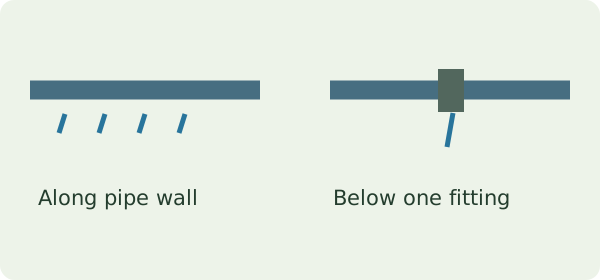
You open the kitchen cupboard for the dishwashing tablets and find beads of water along a pipe. The cupboard liner feels damp below it, but you cannot see water falling from the sink. Before deciding the cabinet is leaking or trying to dry it and forget about it, look at the distribution of the moisture and write down when you first noticed it. A row of droplets on a cold pipe and a drip below a fitting are different observations, even when they wet the same shelf. A useful inspection starts with that distinction and keeps open the possibility that more than one source is present.
Start with the condition you can actually see
Describe the location using the sink, waste trap and two supply lines as reference points, if those parts are visible. A photograph looking directly into the cupboard from the room gives the assessor a way to match later close-ups to the location. Show which part of the liner is wet and whether the back panel, base or edge of a shelf is swollen. If the back of the cabinet is hidden by stored goods, remove ordinary items only where you can safely do so. Leave supply valves, waste pipes and electrical fittings alone. You can collect a useful set of observations without taking the cupboard apart.
A broad wet area along a pipe can suggest moisture settling onto that pipe. A single wet ring around a fitting with a run mark below makes the fitting worth checking. Neither observation is decisive because water can run along a pipe before it drops. Check visually whether the wet area begins higher up than the droplets. A stain just below the bench may belong to a different water path from a wet area near the cabinet floor. The Melbourne pre-purchase inspection service is a different scope when the concern arises before buying, and a plumber is the right early contact when a water or waste connection appears to be leaking.
Understand when condensation is plausible
Australian Government YourHome guidance explains condensation through moisture in air reaching a cold surface. The same general mechanism can help you interpret a cold supply pipe under a sink. If humid room air reaches a sufficiently cool surface, droplets can form on the outside of a sound pipe. Cooking, warm indoor air and limited air movement in a packed cupboard may all be relevant context. The pipe may appear dry at another time of day. The room and water temperatures, together with the amount of moisture in the air, affect whether droplets form at that particular moment.
A wet pipe after ordinary cold water use is therefore a clue worth recording. It is also possible for use of the sink to expose a drain leak, or for a supply connection to leak regardless of whether the sink is draining. Note whether you had been cooking, using the cold tap, emptying the sink or running the dishwasher. Describe ordinary use that already happened. There is no need to fill the cupboard or repeat a sequence solely to make a problem show itself. The guide to laundry damp after washer use illustrates why timing gives a professional a starting point rather than a verdict.
Keep alternate water paths in view
The stainless steel bowl or the outside of its waste connection may be damp, while the board below a tap hole can show another trail. A dishwasher hose may run through an opening in the side panel. Splash water at the bench or a wet cleaning bottle on a shelf can leave an isolated patch too. Photograph the parts you can see without pulling the dishwasher forward or reaching behind connections. Record which adjacent cupboards look dry and whether the wet patch reaches one of the holes where services pass through. That helps a professional decide which area to check first.
An old run mark or discoloured edge can remain after the source has stopped. Likewise a damp liner can keep the shelf wet once new droplets have ceased. If a previous owner's plumber worked in this area, ask what was repaired and whether there were any signs of retained moisture or damaged joinery at the time. The guide to moisture after a plumbing repair covers the related decision of whether materials have dried after the source was addressed. Water history and cabinet condition each matter, and establishing one may leave the other unresolved.
Work out who should attend first
If there is obvious active leakage from a supply or waste fitting, persistent water accumulation, or a recent change to plumbing that coincides with the problem, call a suitably qualified plumber promptly. Victorian Building and Plumbing Commission registration resources can help you check the practitioner and scope. In an urgent situation follow the attending trade's instructions. Keep clear of any wet electrical appliance, socket, switch or power lead and seek appropriate assistance. A cupboard with water near the dishwasher electrical connection warrants a different response from a few drops well away from any services.
A building moisture assessment may be useful when the apparent plumbing source has been dealt with but cabinet damage, staining or a musty smell persists. The purpose is to document accessible materials and observations and identify useful follow-up. Depending on what is visible, this may include looking at the underside of the bench, the nearby wall and the floor where it emerges from under the kickboard. It may be useful to compare observations with a dry area made of a similar material. See the report examples for the difference between recording an observed concern and advising who should check a concealed part.
Treat material damage as a separate decision
A cabinet edge can swell or lose its surface finish after repeated wetting. A damaged edge gives useful evidence that water reached the material but it cannot tell you how often or whether the source still exists. If repairs are being planned, ask the trades separately about stopping the water, assessing the damaged material and being able to see it after the work. Insulating a cold pipe or improving air movement may be suggested where condensation is established, while a leaking fitting calls for a plumbing repair. Covering either problem with new boards before the source is understood can make later assessment harder.
Better Health Channel describes the importance of dealing with dampness in mould management. Visible growth or a musty odour is useful to document but rarely identifies the original source by itself. If you have an individual health question, direct that to an appropriate health professional. Where water keeps returning, the guide to mould returning after cleaning explains why surface treatment and correction of the contributing conditions are different decisions. Ask how any remaining damaged area will be inspected when the room or joinery has been put back into use.
Compare a two-visit example
Illustrative example. On a winter evening a household notices droplets spaced along the exposed section of a cold supply line after the kitchen has been busy. Beneath a different connection there is an old stain but no visible drip. The household photographs both areas and notes the time, recent cooking and the dishwasher cycle. The next morning the pipe looks dry, but a patch on the removable shelf liner is still damp. That observation makes timing useful while leaving the older mark and the liner as separate matters to discuss. No conclusion about pressure, connections or hidden damage can be drawn from the photographs alone.
The owners give those observations to a plumber, who checks the accessible connections. They also ask the joiner what part of the cabinet can be inspected without taking it out. If the supply and waste are cleared as current sources, the next question is how temperature and indoor moisture might explain the repeat pattern, and whether the accessible material appears to remain damp. If a connection is found leaking, it becomes the priority and the after-repair observations give the owners something to compare. In either situation, revisiting the same place and asking the trade to describe what was checked is more useful than replacing the cabinet before recording it.
Know what an inspection can establish
A visual visit can locate conditions at the time and explain the significance and limits of what is accessible. If the visit follows a dry day, intermittent moisture may be absent. A comparative surface reading can provide context if the material and access suit it. A reading by itself does not identify a hidden leak, the air moisture level at an earlier time, or the condition behind an intact lining. Pressure testing, dismantling pipework, opening joinery and sampling are separate tasks. If the base panel is concealed by a fixed liner or by the floor finish, the inspector can record the restriction and recommend the appropriate next step.
For booking, send a wide photo, two or three close views from safe positions and a short account of when the problem appears. Include any repair date and whether the shelf or nearby flooring has changed. Say whether there is ongoing water accumulation so the appropriate trade can be prioritised. Our specific property concern service can discuss a defined inspection scope where it makes sense after the urgent issues have been dealt with. An assessment is most useful when you tell us whether your immediate decision is to identify a likely referral, plan repair work, or check accessible materials after a repair. Each question needs a slightly different record.