Pre-Purchase Inspections — Fogging Between Double-Glazed Panes
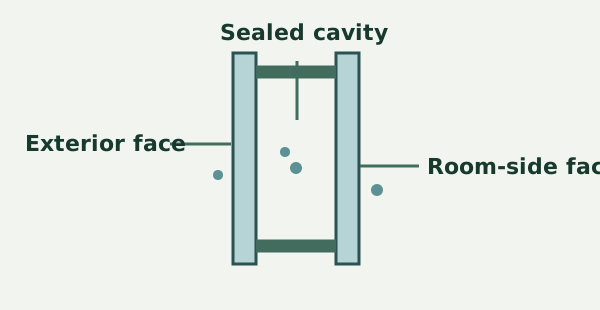
At the open home, one window looks milky while the next is clear. The agent says it is condensation and the glass has just been cleaned. Where the haze sits matters more than what it looks like from across the room. Water on a surface that you can reach points to a different investigation from moisture trapped inside a sealed glazing unit. A wet or stained sill introduces a third question about the condition of the surrounding window and wall. The useful starting point is to identify which surface is cloudy and whether the frame shows its own signs of trouble.
Work out where the moisture sits
Start indoors and note the room, which section of the window looks affected, and whether the window opens. From a safe position, look across the glass at a shallow angle. An area near the edge can be easier to read than a spot against a bright background. With the owner’s permission, a dry cloth on an accessible room-side area can show whether droplets or a film are on that surface. If the accessible face clears where it was wiped and the surrounding patch remains, record that result. It is evidence about that face at that moment.
Outside moisture can be harder to distinguish from internal haze, particularly where the only view is from ground level. There is no reason for a buyer to climb onto a roof, stand on furniture or reach out of an opening to settle the question. If the outer face is inaccessible, leave it unchecked and say so. Bring a photo from indoors and, where practicable, a second from a safe position outside. Take enough of the window in the frame that the affected pane can be found again. Our guide to pre-purchase access limits explains how access affects the certainty of other findings too.
Understand what a fogged unit can mean
Double glazing may be supplied as an insulating glass unit. This is a factory-assembled combination of panes with a sealed cavity between them. Confirm the window type from available markings, drawings, invoices or a glazier’s advice. A separate secondary pane added to an older window can create an enclosed-looking space with different edges, seals and maintenance arrangements. A reflection or faint outline alone is an imperfect basis for identifying what has been fitted.
Viridian’s Australian glazing guidance explains that condensation on the surfaces inside an insulating glass cavity indicates that the cavity is no longer completely sealed and moisture has entered. Some units may show droplets or persistent marks. A cloudy appearance seen from one angle, especially on coated, tinted or dirty glass, still warrants closer identification before it is described as an internal cavity finding. Even when fogging is clearly between panes, an inspection cannot reliably establish the exact day it started or how quickly another window might develop a similar problem.
An affected unit may justify a glazier’s quote while a serviceable frame remains in place. The options depend on the glazing system and the condition of the existing frame, fixings and components. Some repairs are limited to a glass unit and some require attention to a sash or larger assembly. A quote should identify whether it covers the glazing itself, removal and fitting, any associated finishing and access arrangements. Keep the glass quote separate from work on the wall until the evidence connects them.
Read surface condensation in context
The Australian Government’s YourHome condensation guidance explains how glazing and frame material influence the temperature of window surfaces and their susceptibility to condensation. A patch that appears overnight and can be wiped from the room-side glass may justify asking about ventilation, heating and moisture sources. Look for patterns across several rooms. Was it only in the bathroom after use, or also in a spare room with the door closed? A cold frame can be wet even when the central part of the glass appears clear.
External condensation can also occur on some double-glazed units under suitable weather conditions. The exterior glass can remain cool because less heat passes through from indoors. If safe access allows an outside view, compare the suspect pane with nearby panes of the same orientation. Record when a mark clears and where you stood. Treat a single observation on an unusually cold morning as one point in the timeline. Repeated photos taken under different conditions are more useful than a verbal description that the window is always wet.
The condition of nearby surfaces matters when moisture is frequent enough to collect on the sill. If paint has lifted or you can see staining, record it whether the glass clears or stays cloudy. The guide to decayed timber sills describes why a painted exterior can warrant a closer look. If the concern includes dark growth on adjacent finishes, our buyer’s guide to visible mould explains what a visual visit can identify and when targeted follow-up may help.
Check the frame and surrounding wall separately
Stand back and compare each affected pane with its surrounding assembly. At a timber window, note peeling coatings, open joints or discoloured sections of the sill. At an aluminium window, note any staining or evidence of previous sealing repairs around the perimeter. Where the owner gives permission, operation of an accessible sash may help identify a separate issue such as binding, looseness or hardware wear. Leave inaccessible or fixed parts undisturbed.
Brown marks on the reveal, swelling trim or repaired paint below the opening give the inspector a reason to extend the review into accessible surfaces of the nearby wall. Rain can enter through several details, and moisture on glass can also wet the sill. The shape of a stain cannot establish which event occurred first. Ask about wind-driven rain, previous service visits and which openings were replaced. If marks turn up below a window despite dry glass, the recurring window water entry guide describes the different scope of a targeted investigation.
The inspector may be able to note that one opening is affected while a similar one is clear, or that several windows on one elevation share an appearance. Avoid extrapolating a condition from one pane to the whole house. Different rooms can have different upgrades, frames or exposure. Older invoices might name the installer and product but still omit which glass was fitted in a later alteration. A photo matched to the invoice line and room location helps the buyer decide what the document covers.
Gather records that narrow the purchase decision
Ask the agent whether the owner has the glazing invoice, warranty documents or repair records. A marketing statement that a property is double glazed may describe an upgrade without specifying every room. Ask which openings were included and when. A glazier can sometimes identify more from edge markings and the frame system, subject to access. Warranty coverage and any transfer to a new owner depend on the actual terms, so ask the supplier to confirm those details in writing.
Consumer Affairs Victoria’s buyer guidance recommends inspecting the property and considering professional assessment before you buy. Set a deadline for further information early enough to be useful. The Melbourne pre-purchase inspection service can record the visible condition of accessible openings and related areas. If you need a price before making a decision, obtain a glazier’s itemised quote separately. Give them the address, the room and elevation, photos, access details and any available window records.
Compare any quote with the observations. A quote to exchange a pane may leave damaged trim or a stain outside its scope. A quote for a new window may cover replacement and leave painting or making good around the opening to another trade. If the home is part of an owners corporation, ask your conveyancer which windows are the lot owner’s responsibility and whether exterior appearance or access is governed by building rules. Who arranges work can matter as much as which part needs attention.
Consider an illustrative buying scenario
Suppose a west-facing living room window remains cloudy at midday, while a bedroom window shows droplets in the morning that wipe away. There is also chipped paint at the sill of the first window. Start by recording two locations and two patterns. If a glazier identifies the living room haze as internal cavity moisture, ask for a quote for that specific unit and any associated sash work. Separately ask the building inspector to look at the sill and reveal for visible deterioration.
In the bedroom, the fact that the glass clears when wiped gives the buyer a reason to ask about overnight conditions and ventilation. It would be premature to budget for two replacement windows based on those observations. It would also be premature to dismiss the chipped sill as irrelevant once the living room unit is identified. The buyer can now give separate follow-up tasks to a glazier and an inspector, with details each can actually use.
Agree what will be checked before you commit
An accessible visual inspection can describe where a mark appears, record the condition of visible frames and finishes and identify when trade follow-up could change the decision. It does not dismantle the assembly, test the gas fill or quantify the window’s thermal performance. It also cannot see concealed flashing and does not interpret the terms of a sale or warranty. If an outside elevation was out of reach, the report should make that clear so a later check can be arranged where needed.
If you have one unclear window and a purchase deadline, send a photo with the room, the time of day and whether either face was safely checked. If you have several suspect openings, give them short names so the report, trade quote and sale documents can refer to the same locations. Our inspection report examples show how visible observations and next steps can be recorded. The immediate decision is whether the existing evidence is sufficient to price the concern, or whether a glazier needs to identify the unit and a building inspector needs to review the wall around it before you commit.
If there has already been a glazing repair, ask for the exact opening it covered and whether the contractor recorded any issues with the sash or frame at the same time. A repair invoice can explain what was done and still leave an adjacent stain or sticking window for separate investigation.
References
Ask ClearScope about your inspection
Send the property address, buying deadline and the windows you want checked.
Request an inspection