Water Beads Inside a Metal Garage Door on Cold Mornings
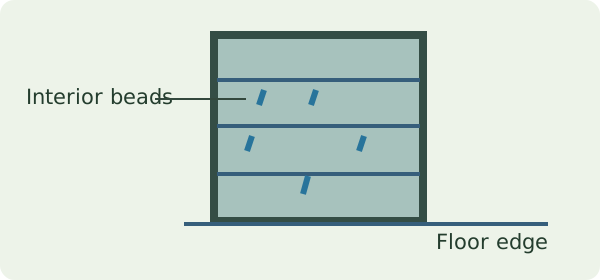
You look into the garage early in the morning and the inside of the metal door is covered in clear beads of water. The driveway is dry, yet there is a small wet line on the floor underneath the door. Before getting the bottom seal replaced, check what can safely be recorded about the door surface, the garage air and the floor edge. Droplets across the face of a cold door and water approaching the floor edge from outside are different observations. They can wet the same strip of concrete, and both may occur at a property. The useful next step depends on which pattern actually repeats.
Separate the door observations from the floor observations
Take a wide photograph from a safe position while the door is stationary. The view should include the panels, the floor and as much of the surrounding wall as is reasonably visible. Use a second photograph to show whether the beads occupy most of a panel, follow horizontal joins or collect at the bottom. A separate photo of the wet line can show whether it extends across the opening or stops near a corner. Keep the two observations separate in your notes. Broad beads on an inside panel give a different investigation lead from a narrow strip on the floor alone.
You do not need to operate a wet or faulty door for a photograph. Keep clear of tracks, springs, lifting arms and wiring, and ask a suitable door practitioner for help if the door catches, shifts or appears unsafe. If water is near electrical equipment, keep clear and seek appropriate advice. A condensation enquiry can wait when safety or access needs to be addressed first. Where a lip affects access at the same opening, our guide to driveway levels at the garage helps you describe that separate concern without assuming both symptoms have the same source.
Compare cold dry mornings with rain and normal use
Start with a short history instead of trying to reproduce the problem. Note whether it had rained, whether a wet vehicle was put away the night before, and whether the garage had been closed for an unusually long time. Include other activities that could have changed moisture in the room, such as leaving wet equipment to dry. These details are useful even where a shower of rain did occur. For example, moisture on the door the morning after rain could be linked to outside water, or the vehicle and floor may have brought more moisture into the enclosed air.
Compare a dry day with a wet one where you can. Use the same viewing position and include when you looked. If the panels are wet on a morning with no recent rain, external rain entry becomes a less direct explanation for that particular event. If a line on the floor only appears during rain, record where it starts relative to the external paving. An assessor might then ask whether both patterns occur independently. The guide to roof moisture on dry days discusses how timing supports an investigation elsewhere in a building, where access and materials are different.
Understand why a metal panel can become wet
Australian Government YourHome guidance explains that moisture in air can condense on sufficiently cold surfaces. Building and Plumbing Commission guidance also discusses condensation alongside other ways moisture can affect buildings. Those sources give a mechanism to consider. They cannot establish the temperature, indoor humidity or history of your garage. The panel may cool overnight while air in the room still contains moisture. If the surface is cool enough for those conditions, liquid drops can appear on the room face. Their shape, location and relationship to other cold objects are useful clues because they can focus the next inspection.
Notice whether the whole face is equally wet or there are clearer bands near a joint or panel edge. Look for similar beads on other accessible surfaces without moving equipment. If a cabinet, wall or item away from the entry is also damp, tell the assessor about that rather than assuming the door explains everything. On the other hand, finding droplets on the door only may direct attention to the conditions at that surface. A room can contain several materials and surface temperatures. A dry adjacent painted wall and a wet metal panel are therefore worth recording without using the difference as a test with a pass or fail result.
Look for water reaching the opening by another route
From a safe place outside, note whether the drive slopes toward the garage, whether a trench drain is present and whether there is visible debris or ponding nearby. From inside, include any discolouration at the jamb or on the adjacent wall. Darkening just below one side of the opening may warrant a closer review of where water runs. A patch on the floor can also extend further after drops fall off the panels. The home drainage guide describes how visible slopes and water marks can help identify an area for further assessment. The condition of a concealed stormwater line needs a different scope.
If the garage wall is partly below ground and shows its own patched or damp areas, document those separately from the door. A cold door may have broad beads while the wall opposite a raised garden shows a persistent mark with a different timeline. The guide to damp on a partly buried garage wall explains why levels and concealed construction matter for that enquiry. Avoid hosing the opening or removing seals, trim or covers to see what happens. Those actions can create a misleading comparison or expose parts that should be handled by the suitable practitioner.
Describe the effect on the room
Be clear about whether the issue is a brief surface symptom or is making the garage harder to use. Record rust marks, swelling in adjacent materials or staining on items kept near the opening. A material can stay affected after the visible water has dried. If you store cartons or furniture in the garage, describe whether the damage is low on the side nearest the door or in places with no obvious contact with drops. Those conditions can change the urgency and scope of your enquiry. A report may need to record the affected items or finishes as well as the plausible moisture mechanism.
Better Health Channel guidance identifies damp conditions as relevant to mould management. Visible growth or odour is a reason to investigate dampness and seek appropriate advice if you have a specific health concern. A building inspection does not assess individual exposure or diagnose a health condition. In a garage that is also used for storage or work, tell the assessor how much of the area is accessible and whether a nearby room is affected. An observed wet area on a door may be straightforward to describe, while the consequences at adjacent linings or stored materials may need a separate discussion.
Consider an illustrative garage visit
Illustrative example. An owner sees water beads on several metal panels after two dry cold nights. The panel is dry again in the afternoon, but there is still a faded line on the slab near a corner. After a later rain event, they see a wet patch near the front of the garage extending in from one side. The owner sends dated photos and states when the car was last parked inside after rain. That sequence helps the assessor distinguish the widespread morning beads from the more local wetting at ground level without reaching a verdict from a single photograph.
A useful report can record those two observations, describe the conditions at the visit and say what evidence would change the next step. An apparent floor water path might be referred for drainage assessment. A suspect operating or sealing component might need a garage door practitioner. If the main concern is indoor moisture and the accessible building conditions suggest further assessment, that can be scoped separately. The examples of inspection findings show how a visible symptom and its limitations can be explained. The receiving trade can then work from a defined question rather than a request to replace whichever part is nearest the damp patch.
Give the assessor a bounded question
Send a wide photo and a close view, the dates of contrasting events, and any relevant garage door, paving or drainage repair details. Explain whether the water appeared only on the door or affected the floors and walls as well. Mention if safe opening or electrical conditions need attention. The service for a specific property concern can discuss whether a targeted building assessment is useful, including which observations can be made from accessible areas. A dry visit may still document the geometry and materials, but it cannot recreate the earlier conditions. Door adjustment, electrical work, concealed drainage investigation and specialist moisture logging need appropriate separate scope.
Ask what you should keep observing after a repair or change to garage use. Matching two photographs is more useful when the second one records a similar time, outdoor conditions and whether the garage had been closed. If the problem recurs in the same place under comparable conditions, send that information to the practitioner. If it moves or appears when none of the earlier clues are present, update the brief. A clear follow-up condition helps the owner and the trades judge whether an intervention has addressed the symptom that led to the enquiry.