Musty Smell Above a Timber Subfloor After Rain
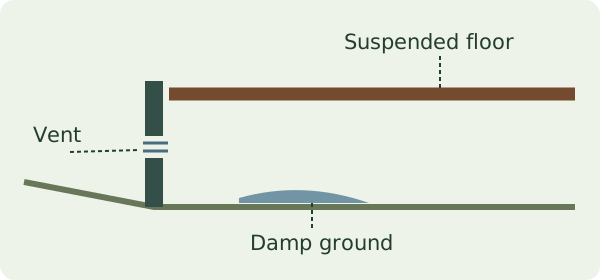
A musty smell rises through the living room floor a day after rain. The carpet looks dry, and the smell eases once you open the windows. Before you arrange a carpet clean or add a fan under the house, it helps to work out what was wet, where the air may be moving and what parts of the floor structure can actually be seen. A targeted inspection can narrow those questions and set up the next visit with the right trade.
Record what changes with rain
A dry floor surface can sit over a damp underfloor space. Equally, a room can smell musty even if the accessible area below it is dry. Mark the first room where you notice the odour, where it is strongest and how long it lasts. Note whether the house was shut, heated or cooled at the time. A few observations taken on different days give the inspector more to compare than a single description of a room that always smells damp.
Look at the outside from normal ground level after rain if the area is safe. Note where water pools, which sections of the path drain slowly and where roof water discharges. A wide photograph that includes the wall, the path and a downpipe gives more context than a close photograph of a puddle. Mark which side of the house you photographed. The guide to drainage around a home explains the surrounding features that may be worth recording.
Give the inspector a simple sequence. For example, the front path was wet on Tuesday evening, the living room smelled musty on Wednesday morning, and the smell had cleared by Friday. A useful record can also include rain that produced no smell. Compare the affected room with a similar room on a different side of the house. Keep any guesses about water pathways separate from the timing and location you can actually describe.
Work out what sits beneath the room
A house may have timber flooring above a ventilated void, a slab beneath an extension or a mixture of both. A timber finish in the room does not tell you what supports it. Floor plans, renovation records or a view from an existing access opening may help. A rear extension can have a different floor construction from the older rooms and can change what can be seen beneath the junction between the two.
Locate any existing access hatch and tell the inspector about obstructions such as stored items, services or a low clearance. Mention known water, electrical, pest or asbestos concerns ahead of the booking. Safe entry depends on the conditions found on the day. Keep out of the underfloor space yourself, particularly if there is standing water, exposed wiring or an uncertain way to get back out. A visit may be limited to an external or hatch-level view.
In an accessible section, an inspector may be able to compare the underside of boards, supporting timber and the ground directly below. A clear view near the hatch is useful. Ask how far that view extends and which rooms remain outside it. Internal masonry walls or changes in floor height can divide the space. The report should locate any visible evidence and record the areas that could not be inspected.
Look for a path from outside
Rain may enter below a low vent or access opening if water reaches the adjoining wall. Surface runoff can also collect against the perimeter or move towards an opening from a higher path. A downpipe that discharges beside the house is a different observation from a connected pipe with no visible surface overflow. You can record both conditions without assuming that either one has caused the smell.
Compare where the outside wet area sits relative to any damp ground below. Wet soil at one corner with a visible change in level raises a different question from a broad patch of damp soil with no obvious entry point. On a dry day, old tide marks and deposited silt may point to areas worth rechecking. Their presence rarely establishes the date or volume of a particular event. A buried pipe can require separate assessment by a licensed plumber.
A garden bed is worth including in the photos when it abuts the house. Irrigation can follow a different schedule from rain, and watering may be heavier in one area than another. If the pattern matches the sprinkler schedule more closely than rain, our guide to damp after garden irrigation sets out a separate investigation. If both rain and irrigation wet the same side, describe both rather than treating the most recent one as proof.
Compare airflow, material and the room above
Visible vents tell you where air may pass through the perimeter. Vegetation, stored items and later paving can change the opening that remains visible. Internal partitions below a floor can also affect how spaces connect. The ABCB Housing Provisions explain the purpose of ventilation and unobstructed air paths in relevant subfloor construction. The age, design and applicable requirements for an existing home need separate confirmation before anyone gives a compliance opinion.
Look at where the room above meets the floor. Gaps around service penetrations or an unsealed hatch may offer a route for air to move. A draught near the skirting can identify a location for closer examination without establishing what generated the smell. Conversely, a damp carpet edge may be fed from the wall or from a previously wet floor covering rather than from the ground below. The guide to skirting damp after a plumbing repair covers records to obtain when an earlier leak may have affected those materials.
An inspector can describe staining, deposits or apparent deterioration on accessible materials and may compare readings where the method suits the surface. A reading is most useful with its location, material and comparison point recorded. Conditions vary with weather, temperature and what is hidden by floor coverings. A visual inspection cannot identify mould species or tell you the concentration of spores indoors. Victorian health guidance explains the general connection between damp conditions and mould growth. Seek health advice separately if you are concerned about symptoms.
Decide which specialist question comes first
If the visible evidence is water collecting against the perimeter and the stormwater system is unclear, ask a licensed plumber to identify the discharge arrangement and recommend any targeted investigation. If the outside appears to drain and the accessible void still has widespread damp ground, ask the inspector to describe the ventilation paths, ground conditions and which observations a further site visit should check. A ventilation product by itself is an early commitment when the source of water is still unresolved.
Visible deterioration in floor supports can change the priority. If timber looks damaged, movement is reported, or there are possible pest indicators, ask which specialist should assess the affected area. Victoria's termite guidance identifies keeping subfloors dry and ventilated as part of managing risk. That guidance does not identify pest activity at your house. The visual inspection and a pest assessment can have different access requirements and scopes. For a separate example of timber condition and movement questions, see our guide to movement in an elevated timber deck.
Dryness above the floor can also depend on what remains wet below a finish. Let the relevant contractor explain what can be dried, what may need opening and how they propose to check the outcome. Ask for the location of any proposed opening and who is responsible for reinstatement. If the evidence points upstairs or to an appliance, the laundry damp guide explains how to compare wetting against the use of a specific fixture.
An illustrative example
Imagine a timber-floored lounge next to a newer tiled entry. The lounge smells musty for two mornings after sustained rain. The owner sees damp soil near the access hatch. Outside, a side path slopes towards a low section of wall, but the photographs do not show whether water reaches an opening. The visit can record those observations and where they sit relative to the affected room. It cannot establish the exact entry route from the smell and wet soil alone.
A useful next step could be a plumbing check of the nearest stormwater connection alongside a follow-up observation after the next comparable rain. Suppose the investigation then finds dry ground near the hatch but visible staining under a different part of the room. The brief changes. The inspector may ask for access to that bay or records of a prior leak, with any opening agreed separately. This example is illustrative. The available view and construction determine what makes sense at each property.
What to send before booking
Tell us which room is affected, whether you know the floor construction and where the underfloor access is located. Send any earlier repair records, a basic floor plan if available and photographs showing the affected room against the outside wall. Include the dates of rain and odour, how long the odour persisted and whether similar rain ever left the room unchanged. Our inspection services page explains where a targeted inspection fits alongside other property checks.
A useful report should state the conditions on the day, the accessible views, what was observed and the next question for the appropriate trade. You can see how findings and their limits are presented on our report examples page. If the smell is intermittent, arrange a visit while the pattern is fresh and discuss what evidence could be gathered if it is absent on the day. That gives you a clearer starting point for deciding what to investigate, dry or repair.
Before agreeing to a repair, ask how the person doing the work will distinguish a change in ground moisture from a change in the room. For instance, a dry weather visit after a drainage repair can establish the new baseline. A comparable visit after rain can show whether the same area stays dry. A photograph taken at an accessible hatch can record that comparison if the position and timing are clear. If only one part of the void is visible, the follow-up record should say which part. Agree what would trigger another inspection and which trade would investigate an ongoing symptom before any finish or access opening is closed.