Concrete Slab Defect: Honeycombing — What Homeowners Should Know

Updated: Mar 20
Understanding the Concrete Slab Defect Honeycombing During Construction
When a new home is being built, most homeowners expect the concrete slab to look smooth, solid, and uniform. Occasionally though, areas of rough, porous concrete may be visible along slab edges, beams, or around penetrations. This defect is commonly referred to as Concrete Slab Honeycombing, and it is something independent inspectors sometimes identify during staged construction reviews.
Honeycombing gets its name from the honeycomb-like appearance of the concrete surface. Instead of a dense, filled finish, the area may show:
a rough porous surface
exposed coarse aggregate (stones visible)
small pockets or voids in the concrete
uneven texture compared to surrounding areas
It most often appears along slab edges, internal beams, service penetrations, or any location where concrete may not have compacted fully during placement.
In many builds, small areas of honeycombing are relatively minor and easily repaired. In other cases, deeper honeycombing may need further assessment. Understanding why it happens and how it is normally handled can help homeowners follow the process calmly and confidently.
This slab preparation stage is one of the earliest opportunities for independent review during the build process, explained further in New Build Stage Inspections in Melbourne — A Complete Guide to Every Inspection Stage.
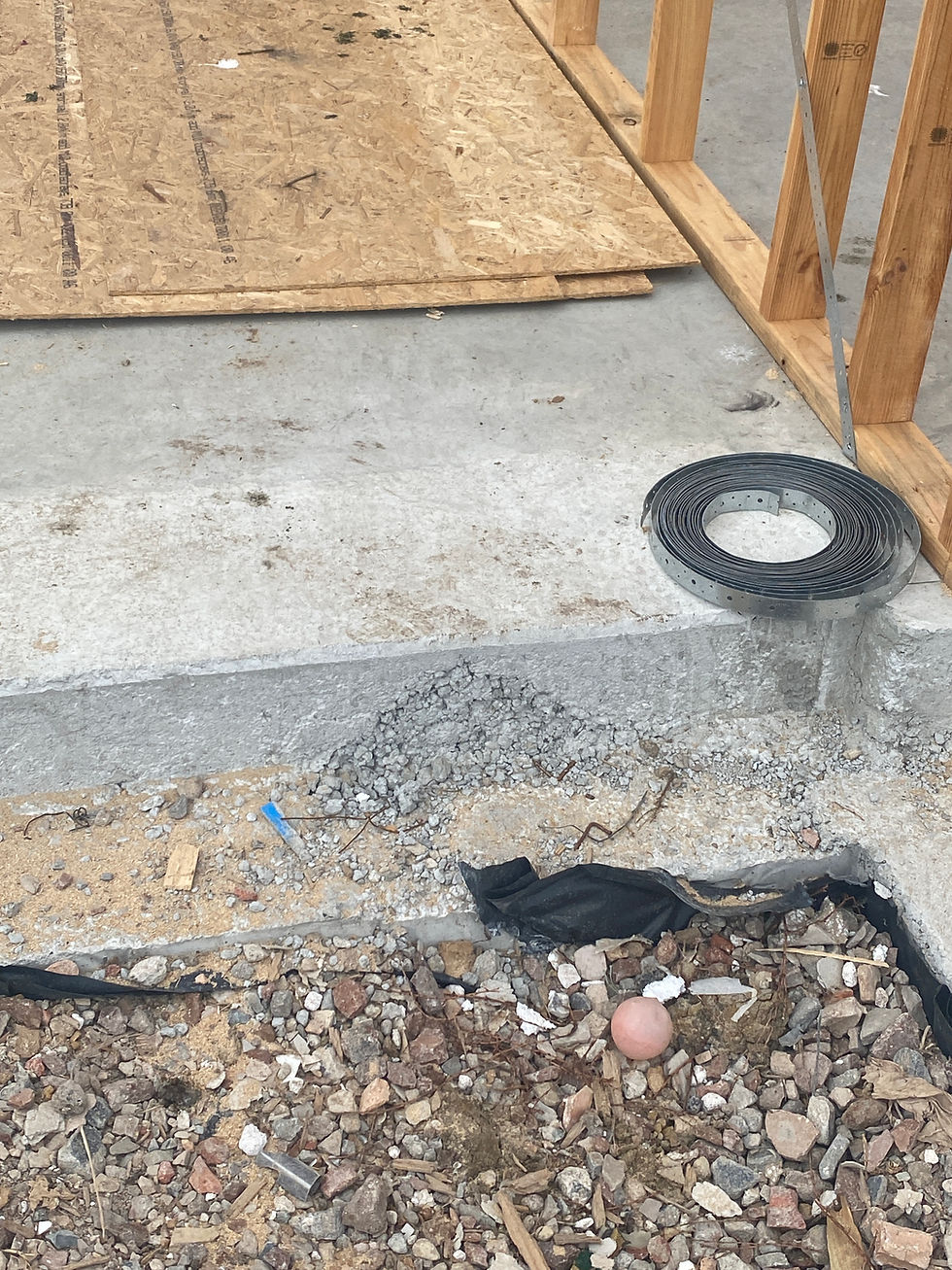
What Honeycombing Looks Like on a Residential Slab
From a practical inspection perspective, honeycombing usually shows up as an area where the concrete looks “open” rather than tightly packed.
Instead of a smooth face, the surface may:
feel coarse or crumbly to the touch
show visible stone without cement paste surrounding it
contain small cavities or air pockets
look patchy or inconsistent
On residential slabs built under AS 2870 (Residential slabs and footings), the expectation is that concrete placement produces a fully consolidated structural element. When the mix doesn’t fully settle into all parts of the formwork, these honeycomb patterns can form.
While honeycombing is a post-pour issue, earlier defects such as Slab Edge Alignment Issues in New Homes: What Inspectors Look For Before the Concrete Pour can already influence overall slab quality and alignment.
Inspectors most commonly see this:
along external slab faces after formwork removal
around step-downs or rebates
near plumbing penetrations
beside beam edges
in heavily reinforced sections
The key point for homeowners is that the presence of honeycombing alone does not automatically mean the slab is structurally compromised. The depth, location, and extent are what matter.
If you’re unsure whether cracks or surface irregularities represent a structural issue or just normal concrete behaviour, our guide on structural vs non-structural concrete cracks explains what to watch for and when to raise concerns.
For a practical explanation of how slabs are normally poured and consolidated on site, see How Concrete Slabs Should Be Placed and Compacted During Construction
Why Concrete Slab Honeycombing Happens
Honeycombing is generally a placement issue rather than a design issue. The slab design may fully comply with engineering requirements and the National Construction Code (NCC), but if the concrete does not consolidate properly during pouring, voids can still form.
Realistic site causes inspectors commonly see include:
Inadequate vibration or compaction
Fresh concrete contains trapped air. Mechanical vibration is used during placement to remove this air and help the mix flow around reinforcement and into corners.
If vibration is insufficient, void pockets can remain.
Concrete not flowing fully around reinforcement
Residential slabs sometimes contain dense reinforcement steel, especially in beams or load-bearing areas. Under AS 3600 (Concrete Structures), reinforcement must be fully encapsulated in concrete to provide durability and structural performance.
If the concrete cannot flow properly between bars, gaps can form.
Congested steel or services
Plumbing pipes, electrical conduits, or tightly spaced reinforcing bars can create congestion zones where concrete movement is restricted.
These areas are naturally more prone to honeycombing.
Formwork leaks
If formwork joints leak cement slurry during pouring, the remaining concrete inside may lose the fine paste needed to bind aggregate together. This can leave behind a stone-heavy porous surface once forms are removed.
Poor workability mix
Concrete that is too stiff or not properly adjusted for placement conditions may not spread evenly before initial set.
Rushed placement
On busy slab pours, speed pressures or weather conditions can sometimes reduce the time spent consolidating certain sections. Again, this reflects placement conditions, not structural design intent.

Cosmetic vs Structural Honeycombing
One of the most common homeowner concerns is whether honeycombing is simply visual or something more serious.
From an inspection standpoint, both situations can occur.
Minor surface honeycombing (often cosmetic)
Shallow surface honeycombing may:
only affect the outer face of the slab
not extend deep into the concrete
not expose reinforcement
not affect structural capacity
In these cases, builders typically repair the surface with approved patch materials before construction continues.
Deeper honeycombing (may require assessment)
More significant honeycombing can:
reduce long-term durability
allow moisture ingress into the slab
expose reinforcing steel to corrosion risk
reduce effective concrete cover required under AS 3600
potentially affect structural performance
This is where engineering assessment may be required.
The Victorian Guide to Standards and Tolerances generally expects structural elements to be constructed to an acceptable finish and durability standard, meaning that voided or poorly consolidated areas usually need correction.
The important message for homeowners is that inspectors assess honeycombing based on:
depth of the affected area
total size of the section
structural location
whether reinforcement is exposed
engineering guidance if required
When Honeycombing Is Normally Identified During Construction
Frame stage inspection
By the frame stage inspection, most slab repairs should already be completed. Inspectors often recheck previously noted areas to confirm the repair has been carried out properly and that the surface is stable and sealed.
Some homeowners also notice structural issues later in the build, which is why checking common frame stage defects can also be helpful.
Lock-up or pre-plaster inspection
At the lock-up or pre-plaster inspection, slab surfaces may no longer be fully exposed internally, but external slab edges or garage slabs can still be reviewed.
Inspectors may confirm:
patch repairs remain intact
no deterioration has occurred
no reinforcement exposure remains
Pre-handover inspection
A pre-handover inspection always includes a final visual check of accessible slab areas such as garages, external edges, and service penetrations.
At this point, any earlier structural repairs should already be complete and stable.
When defects like honeycombing are present on neighbouring properties before works begin, many homeowners choose to cover the cost of a dilapidation inspection to document conditions before further construction.

How Builders Typically Repair Honeycombing
In most residential construction, honeycombing is a known and manageable issue. Builders generally follow recognised repair processes aligned with NCC durability expectations and AS 3600 performance requirements.
Typical repair steps include:
Removing weak or loose concrete
Any friable or poorly bonded material is carefully removed until sound concrete is reached.
Cleaning the area
Dust, debris, and loose particles are cleaned out to ensure proper bonding.
Applying approved repair mortar or non-shrink grout
Specialised structural repair mortars or non-shrink grouts are applied to fill the void.
These products are designed to:
bond strongly to existing concrete
restore durability
resist shrinkage
provide protective cover over reinforcement
Patch repair systems
For larger areas, engineered patch systems may be used that include bonding agents and layered repair compounds.
Engineered structural repair (if required)
If honeycombing is deep or affects structural integrity, an engineer may specify a formal repair method.
This is relatively uncommon in standard residential builds but can occur in severe cases.
Most repairs are completed early in the construction timeline before structural loads increase.
How Independent Inspections Help Homeowners Understand the Situation
Independent staged inspections from ClearScope Building Inspections help document structural elements such as slabs, framing, and final finishes throughout construction.
ClearScope Building Inspections provides staged inspection reporting with clear photographic documentation so homeowners can understand what is being observed at each construction phase. Rather than focusing only on defects, the reporting helps explain how the build is progressing, what is typical on site, and how any identified items are usually addressed through the normal construction process.
This type of documentation can help homeowners follow their project calmly rather than relying on assumptions or isolated site photos.
Why Honeycombing Does Not Automatically Mean a Serious Problem
From a practical inspector’s perspective, the presence of honeycombing is not uncommon in residential construction.
Concrete placement is a complex process involving:
delivery timing
weather conditions
reinforcement density
service penetrations
access constraints
Small localised placement imperfections can occur even on otherwise well-managed sites.
What matters most is:
whether the issue is identified
whether it is properly assessed
whether repairs are completed correctly
whether it is checked again at later stages
When those steps occur, most honeycombing issues are resolved without long-term impact.
The Bottom Line for Homeowners
Concrete slab honeycombing is essentially a sign that part of the concrete did not consolidate fully during placement. It usually appears as a rough, porous, stone-visible surface and most often occurs along edges, beams, or penetrations. Minor surface honeycombing is commonly cosmetic and easily repaired. Deeper honeycombing may require further assessment depending on its depth, location, and whether reinforcement is exposed.
The key for homeowners is understanding that this is typically a placement-related construction issue rather than a design failure, and builders normally address it early in the build process. With proper inspection at slab stage, confirmation at frame stage, monitoring at lock-up or pre-plaster, and final review at pre-handover, honeycombing can usually be managed as part of the normal construction quality process.


Comments