Slab Edge Alignment Issues in New Homes: What Inspectors Look For Before the Concrete Pour

When a new home reaches the slab stage, one of the most important elements being prepared is the slab edge. This forms the perimeter of the home’s foundation and ultimately dictates where external walls, brickwork, and cladding will sit.
During a slab stage inspection, independent inspectors carefully assess the set-out and Slab Edge Alignment Issues in New Homes before the concrete is poured. Even small discrepancies at this stage can carry through the entire build.
Issues like slab edge misalignment are commonly identified alongside other items outlined in New Build Stage Inspections in Melbourne — A Complete Guide to Every Inspection Stage and broader defect categories such as those discussed in Common Defects Found at Slab Stage in Melbourne.
Because once the concrete is poured, corrections become significantly more difficult, this stage is one of the most critical checkpoints in the construction process.

What Are Slab Edge Alignment Issues in New Homes?
The slab edge refers to the outer perimeter of the concrete foundation, typically formed using temporary formwork before the slab is poured.
This edge determines:
The footprint of the home
Wall positioning
Brick veneer or cladding alignment
Overall structural set-out
Accuracy at this stage is essential because the slab acts as the base reference point for the entire build. If the slab edge is out of alignment, everything built on top of it must either compensate for the error or inherit it.
Why Slab Edge Alignment Matters in New Home Construction
Slab edge alignment is not just a technical detail. It directly impacts how the finished home looks and performs.
Misalignment can lead to:
External walls not sitting square on the slab
Brickwork overhang or setbacks
Cladding not aligning correctly
Internal wall layout inconsistencies
Visual defects that are difficult to conceal
Even minor misalignment can compound as construction progresses. What starts as a small variation at slab stage can become a noticeable issue at frame, lock-up, or completion stages.
How Slab Edge Alignment Problems Occur
From an inspection perspective, slab edge alignment issues are usually not caused by a single major mistake. Instead, they often result from small inaccuracies during early site preparation.
Common causes include:
Incorrect site set-out from survey or builder
Formwork shifting before the pour
Measurement errors during layout
Inconsistent string lines or markers
Rushed slab preparation due to tight schedules
These issues are typically straightforward to correct before the concrete is poured, which is why early inspection is so important.
What Inspectors Check During a Slab Stage Inspection
During a slab stage inspection, an independent inspector will assess a range of items to confirm that the slab is ready for concrete placement.
This includes:
Slab dimensions and overall set-out
Alignment of slab edges and formwork
Squareness of corners
Reinforcement placement
Vapour barrier condition
Plumbing penetrations
Site preparation and levels
Timing is critical. As outlined in When Is the Right Time to Book Each Stage Inspection for a New Build?, slab inspections must occur before the pour, when issues can still be addressed.
What Happens If Slab Alignment Problems Are Not Fixed
If slab edge alignment issues are not identified and corrected early, they can lead to a range of downstream complications.
These may include:
Brick overhang beyond slab edge
Frame not sitting correctly on slab
Uneven wall alignment
Cladding installation difficulties
Increased likelihood of visible defects
While some issues can be managed later, many become built-in limitations that affect the overall finish of the home.
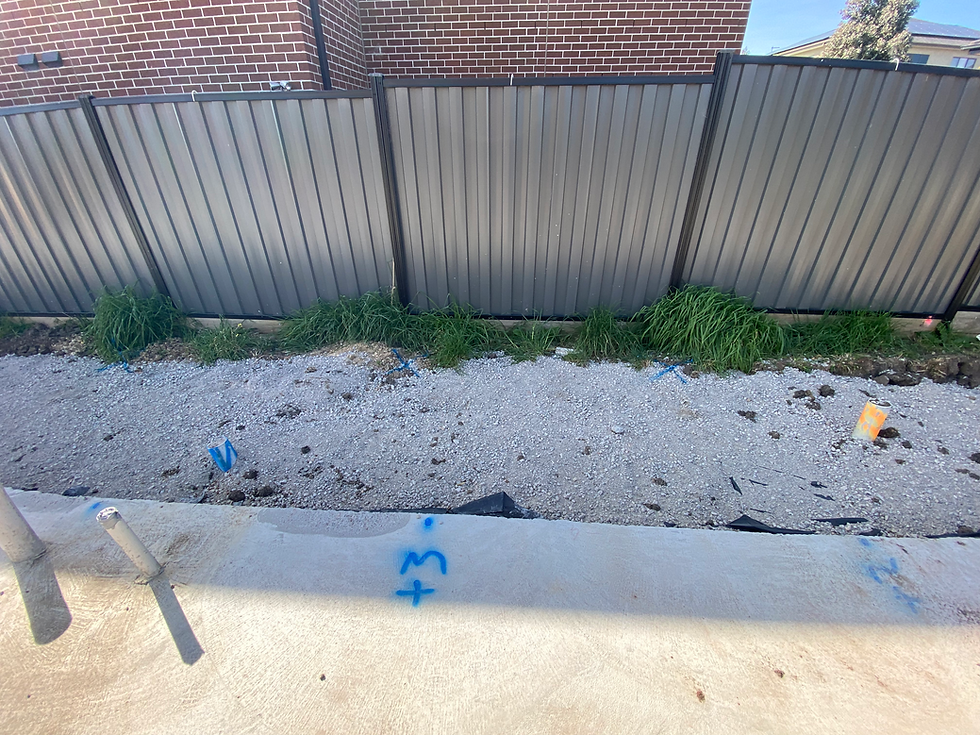
Can Slab Edge Alignment Problems Be Fixed?
Yes — but timing is everything.
Before the concrete is poured, slab edge alignment issues can typically be resolved by:
Repositioning formwork
Adjusting string lines and set-out
Re-checking measurements
Making minor site corrections
Once the concrete is poured, however, fixing alignment issues becomes far more complex and may involve structural compromises or cosmetic adjustments.
How Independent Slab Stage Inspections Help Prevent These Issues
Independent inspections provide an additional layer of quality control during construction.
They help ensure that:
The slab has been set out correctly
Defects are identified early
Builders have the opportunity to rectify issues before they become permanent
This is why many homeowners choose to arrange inspections as outlined in Construction Stage Inspections in Melbourne — What They Are And Why They Matter and explained further in Why Independent Inspections Are Carried Out at Multiple Stages of a New Build.
Slab Edge Alignment Issues in Melbourne New Builds
Across Melbourne’s growth areas, including Tarneit, Clyde North, Donnybrook, Truganina, Armstrong Creek, and Charlemont, slab stage inspections frequently identify minor alignment inconsistencies.
These areas often involve:
High construction volumes
Fast build timelines
Multiple trades working in sequence
Suburb-specific services such as New Build Stage Inspections in Tarneit, New Build Stage Inspections in Clyde North, New Build Stage Inspections in Donnybrook, and New Build Stage Inspections in Armstrong Creek help ensure local builds are inspected thoroughly at each stage.
Related Slab Stage Defects Inspectors Often Identify
Slab edge alignment is just one of several issues that may be identified during this stage.
Other common defects include:
Plumbing Penetrations Installed Incorrectly Through Slabs
Reinforcement Placement Problems Before Slab Pour
These issues are often grouped within broader defect categories outlined in Common Defects Found at Slab Stage in Melbourne.
About ClearScope Building Inspections
ClearScope Building Inspections provides independent new home stage inspections across Melbourne and regional Victoria.
With extensive experience across slab, frame, lock-up, and practical completion stages, inspections are carried out with a focus on:
Practical defect identification
Clear reporting for homeowners
Alignment with NCC and Victorian Standards and Tolerances
Supporting informed decisions throughout construction

FAQ
What does a slab stage inspection check?
It checks slab preparation including alignment, reinforcement, vapour barrier, penetrations, and overall readiness before concrete is poured.
How important is slab edge alignment?
It is critical because it determines wall placement, structural accuracy, and overall finish of the home.
Can slab edges be fixed after pouring?
Fixing after pouring is difficult and often limited. Most corrections must be made before the pour.
Do builders fix slab preparation issues?
Yes, most builders will address identified issues before proceeding with the pour.
Should homeowners organise independent inspections?
Independent inspections provide an additional level of assurance and help identify issues early.
Conclusion
Slab edge alignment might seem like a small detail, but it plays a major role in how accurately a home is constructed. Because the slab forms the base of the entire structure, even minor alignment issues can carry through multiple stages of the build.
This is why slab stage inspections are carried out before the concrete is poured — giving builders the opportunity to correct issues early and helping homeowners move forward with confidence.
For a full understanding of how inspections fit into the build process, see New Build Stage Inspections in Melbourne — A Complete Guide to Every Inspection Stage.


Comments