New Build Stage Inspections in Strathtulloh VIC: What Actually Gets Checked (and Why It Matters Before It’s Too Late)

Updated: Apr 14
Building a new home in Strathtulloh should be a straightforward process. Plans are approved, construction begins, and over a series of stages the home comes together. On paper, it all looks controlled and systematic.
In reality, particularly across Melbourne’s west growth corridor, the process is fast-moving and often heavily trade-dependent. In suburbs like Strathtulloh, Plumpton, Mount Atkinson Bonnie Brook, Thornhill Park and Cobblebank, it’s common to see multiple homes being built at once, with the same crews moving between sites on tight schedules.
That environment doesn’t necessarily create major structural failures. What it does create is small inconsistencies, missed details and sequencing issues that can easily slip through if they’re not picked up at the right time.
This is exactly why staged inspections exist.
Many homeowners first come across this concept while reading Why Independent Inspections Are Carried Out at Multiple Stages of a New Build, but it only really makes sense once you understand how a house is actually built in practice.
A key point that often gets missed is this:
Most important parts of your home are only visible for a short window of time.
Once walls are lined, tiles are installed or concrete is poured, access is gone. Issues like those outlined in Water Stains on Ceilings in New Homes — What They Mean During a Stage Inspection often start much earlier than people realise.
New Build Stage Inspections Strathtulloh are not about finding faults for the sake of it. They are about timing, checking the right things, at the right stage, before they are permanently covered.
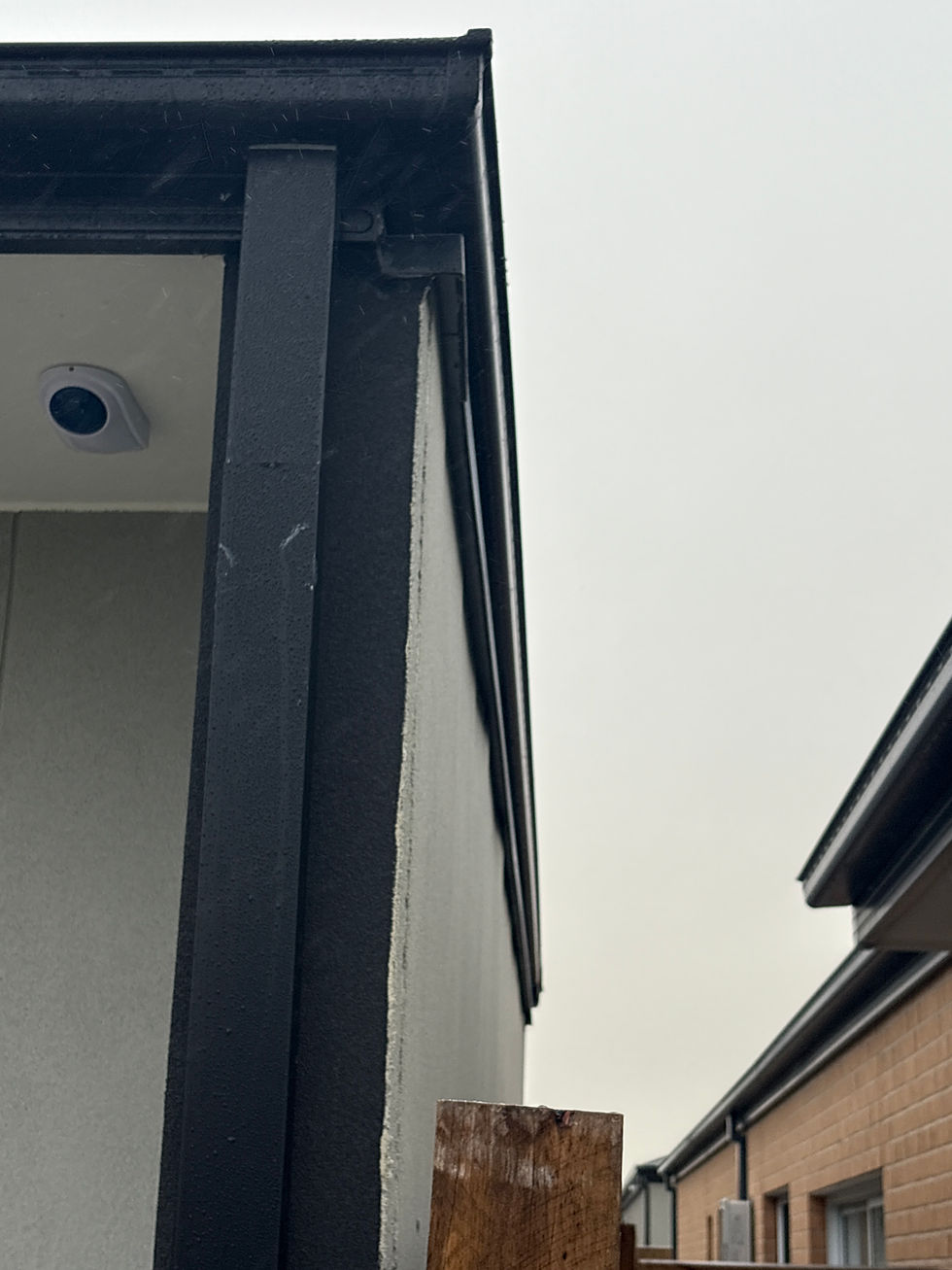
What Are New Build Stage Inspections in Strathtulloh (in practical terms)?
At a basic level, stage inspections are independent checks carried out at key points during construction.
But in practice, they are less about “ticking boxes” and more about understanding how each stage sets up the next.
A typical Strathtulloh build will move through:
Slab (pre-pour)
Frame
Lock-up
Pre-plaster
Fix / waterproofing
PCI (handover)
Each stage has a very specific purpose. If something is slightly off early, it usually doesn’t fix itself, it carries forward and becomes more noticeable later.
That’s why relying purely on a final inspection is often misleading. By that point, you’re mostly seeing finishes, not structure.
Why Stage Inspections Matter More in Strathtulloh Specifically
Strathtulloh isn’t unique in how homes are built — but the scale and speed of construction in the area changes the risk profile.
A few patterns we consistently see across west Melbourne estates:
Trades working across multiple sites in the same day
Build programs that prioritise speed and sequencing
Repetition of the same designs (which also repeats the same mistakes)
Limited time for detailed internal quality review
None of this means the build is “bad”. It just means:
There is less margin for small issues to be picked up organically.
For example, something as simple as sealing around penetrations may be missed entirely, which is why defects like Electrical Fixtures Not Sealed at Ceiling Penetrations — A Common Overlooked Defect are more common than people expect.
What Actually Gets Checked at Each Stage (Realistically)
Slab Stage Inspection (before the pour)
This is one of the few opportunities to assess the foundation before it becomes permanent.
Key focus areas:
Site preparation and levels
Vapour barrier installation
Reinforcement placement and spacing
Set-out accuracy
A common misconception is that slab issues are always obvious. In reality, many are subtle at the time but influence long-term performance.
This is where the structure of the home becomes visible.
Inspectors are not just looking for “major defects”, but also:
How straight walls actually are
Whether load paths are logical and continuous
Whether framing has been altered or adjusted on site
Issues like those discussed in Frame Defects: Out-of-Level Studs and Poor Workmanship — What Inspectors Look For are rarely dramatic, but they can affect everything that follows.
At lock-up, the home is effectively sealed externally. This is where water management becomes critical.
Inspectors will typically review:
Brickwork consistency
Flashings and junctions
Window and door installation
Roof drainage setup
Water entry problems don’t always show up immediately. Many originate from details like those explained in Window Flashing Defects — How Water Gets Behind Brickwork in New Homes.
This is one of the most important stages — and often the most underestimated.
Before plaster goes on, you can still see:
Structural framing
Plumbing runs
Electrical layout
Insulation
Once this is covered, visibility is gone. That’s why decisions made here often determine how the home performs long-term.
This is where the home starts to “look finished”, but a lot is still happening underneath.
Inspectors focus heavily on:
Waterproofing membranes and detailing
Falls to waste in wet areas
Junctions between fixtures and surfaces
Problems at this stage are often hidden by finishes. For example:
These are rarely visible at handover, but can cause issues later.
This is what most people expect an inspection to be, but it’s only one part of the picture.
Focus here is on:
Finish quality
Operation of fixtures
General presentation
Typical findings include:
These are important, but they are often the result of earlier stage conditions, not isolated issues.

Common Defects Found in Strathtulloh (What We Actually See)
In Strathtulloh, most defects aren’t major structural failures. They’re usually smaller issues that build up through the construction process.
At the slab stage, it’s not uncommon to see minor inconsistencies in preparation. These might not seem significant at the time, but they can influence levels and alignment later on.
As the frame goes up, slight variations in straightness or alignment can occur. These aren’t always immediately obvious, but they often become noticeable once plaster and finishes are installed.
Waterproofing is another area where issues can develop quietly. Membranes may be incomplete or damaged, particularly around penetrations or junctions. These problems are usually hidden once tiling is complete, which is why they’re picked up during inspections rather than at handover.
Externally, drainage is a recurring theme. Downpipes and site falls don’t always work as intended, which is why issues like Downpipe Installation Defects — Why Water Isn’t Always Directed Away Properly are regularly observed.
By the time the home reaches completion, the focus shifts to finishes. Uneven tiles, minor floor variations and visual inconsistencies are common. Articles like Uneven Floors in New Builds — When It’s Within Tolerance and When It’s Not and Bowed Walls and Skirting in New Homes — What Causes It and Should You Be Concerned? explain how these relate back to earlier stages.
The key takeaway is this:
Most defects are not isolated. They are linked across stages.
When Should You Book Each Inspection?
Timing is one of the most important parts of the process. It’s not about dates — it’s about readiness.
A general guide:
Slab: before concrete is poured
Frame: once structure is complete
Lock-up: when external envelope is formed
Pre-plaster: before plasterboard
Fix: after waterproofing and internal fit-off
PCI: before handover
Missing a stage doesn’t make inspection pointless, but it does reduce what can be assessed.
What Can and Cannot Be Seen Later (Why Timing Matters)
One of the biggest misconceptions is that everything can be checked at the end. It can’t.
Once the home is complete:
Structural framing is hidden
Waterproofing is concealed
Services are inaccessible
At that point, you’re assessing outcomes, not installation.
Cost of Stage Inspections (Realistically)
Most inspections fall within:
~$399 per stage
~$499 with reinspection
The value isn’t just in finding defects. It’s in when they are found.
Why Homeowners in Strathtulloh Are Choosing Independent Inspections
Across west Melbourne, more homeowners are choosing staged inspections because they want:
A clearer understanding of build quality
Issues identified early, not after completion
Confidence in what they can’t see
It’s less about distrust and more about visibility.
Conclusion
Strathtulloh is part of Melbourne’s expanding west corridor, where construction is moving quickly and new homes are being delivered at scale. That environment creates opportunity, but it also means the build process is often compressed, with multiple trades working through the same property in a short period of time.
In that context, most issues aren’t the result of major failures. They are usually smaller inconsistencies, sequencing gaps or missed details that occur as the home progresses from one stage to the next. On their own, these may seem minor, but when they carry through the build, they often become more noticeable at completion or more difficult to address later.
This is where stage inspections provide real value.
Rather than focusing only on the finished product, New Build Stage Inspections Strathtulloh allow each stage of the build to be viewed in isolation. Slab preparation can be assessed before it is poured, framing can be reviewed while it is still exposed, and waterproofing can be checked before it is covered by finishes.
Each inspection creates a clearer picture of how the home has been constructed, not just how it looks at handover.
For many homeowners, the benefit is not just in identifying defects, but in understanding the build itself. Knowing what has been checked, what has been installed and how each stage has progressed provides a level of transparency that is otherwise difficult to achieve.
Ultimately, building a home in Strathtulloh should be a positive experience. Stage inspections don’t change the process, but they do provide a way to move through it with greater clarity, confidence and awareness of what sits behind the finished surfaces.

FAQS
Do I really need stage inspections if my builder says everything is checked already in Strathtulloh?
Builder checks are part of the process, but independent inspections provide an additional layer focused specifically on workmanship and compliance at each stage.
What are the most common problems found in new homes in Strathtulloh estates?
Common issues include waterproofing defects, frame alignment inconsistencies, drainage problems and finish quality concerns at handover.
Is it worth getting an inspection if I’ve already reached lock-up stage?
Yes, there is still value in inspecting at lock-up, pre-plaster and PCI stages where key elements remain visible.
How do I know the right time to book each inspection stage?
The timing depends on build progress, so it’s important to coordinate with your builder and monitor when each stage is ready.
Can waterproofing defects really be identified before tiles are installed?
Yes, this is one of the main advantages of stage inspections, as membranes are visible before being covered.
What happens if defects found during inspection are not fixed before the next stage?
They can still be addressed, but it becomes more complex and may require rework of completed areas.
Are uneven floors and wall lines normal in new builds or considered defects?
Some variation is acceptable within tolerance, but excessive deviation may require correction.
Do inspections check things like tile layout and grout alignment as well?
Yes, these are typically reviewed during fix and PCI stages.
Why do defects seem more common in newer estates like Strathtulloh?
Higher build volumes and faster timelines can increase the likelihood of small issues being missed.
Is it better to get all stages inspected or just key ones?
More stages provide better visibility, but even targeted inspections can still add value.


Comments